As of September 8, 2025, there are 1190 members of ISNBS.
ISNBS is an international community of nonbinary scientists from a variety of locations, fields and institutions; we all face different social and legal barriers. The goal of the group is solidarity and support. Being out is not a requirement for membership and many members are not listed here.
Delia Sosa

Delia Sosa (they/them) is a queer, trans, nonbinary, genderfluid, multiracial, Latine clinical researcher. They currently work in a collaborative research environment between patient communities and researchers, and their work focuses primarily on transgender, nonbinary, and gender-diverse representation and inclusion in cancer research. They will be starting medical school in the summer of 2022 with plans to become a gender-affirming emergency medicine physician. Delia is also an artist and activist and creates wearable art to convey the experience of being a trans nonbinary person.
Robin Aguilar
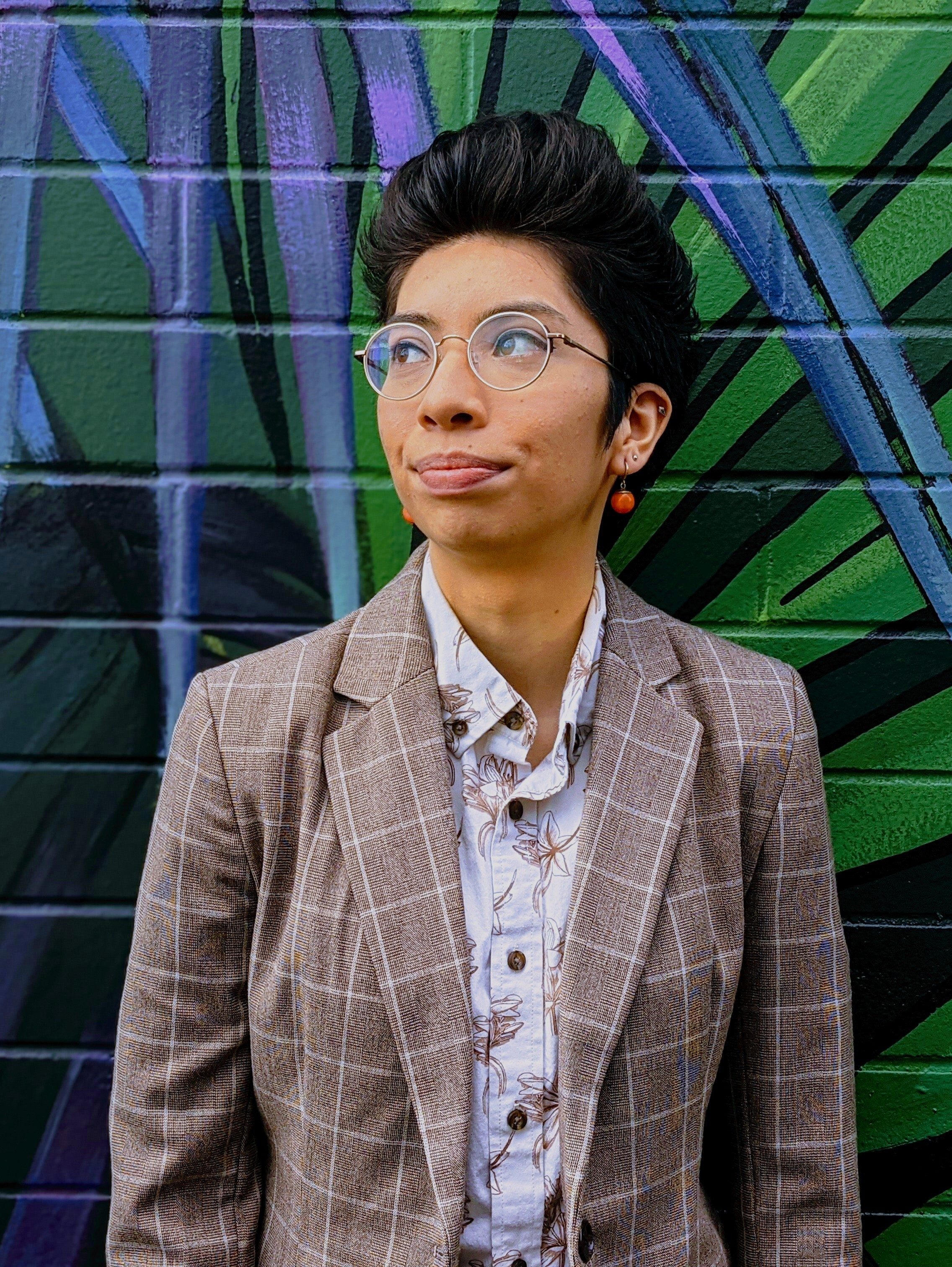
Robin Aguilar (they/them/elle) is a first-gen, Xicanx, non-binary, disabled, and queer scientist at the University of Washington. As a member of the Beliveau and Noble labs, they create technologies to image “genomic dark matter”, or satellite DNA, to better understand human evolution and disease. They aim to use their platform to develop workshops and curricula centered on story-telling in science, and educational aspirations that affect them as a non-binary femme with lived experiences tied to the people and cultures of Yucatán, Michoacán, Guajira, and Bogotá. In their free time, they are also an artist, writer, and plant dad.
Román “Romi” Ramos Báez
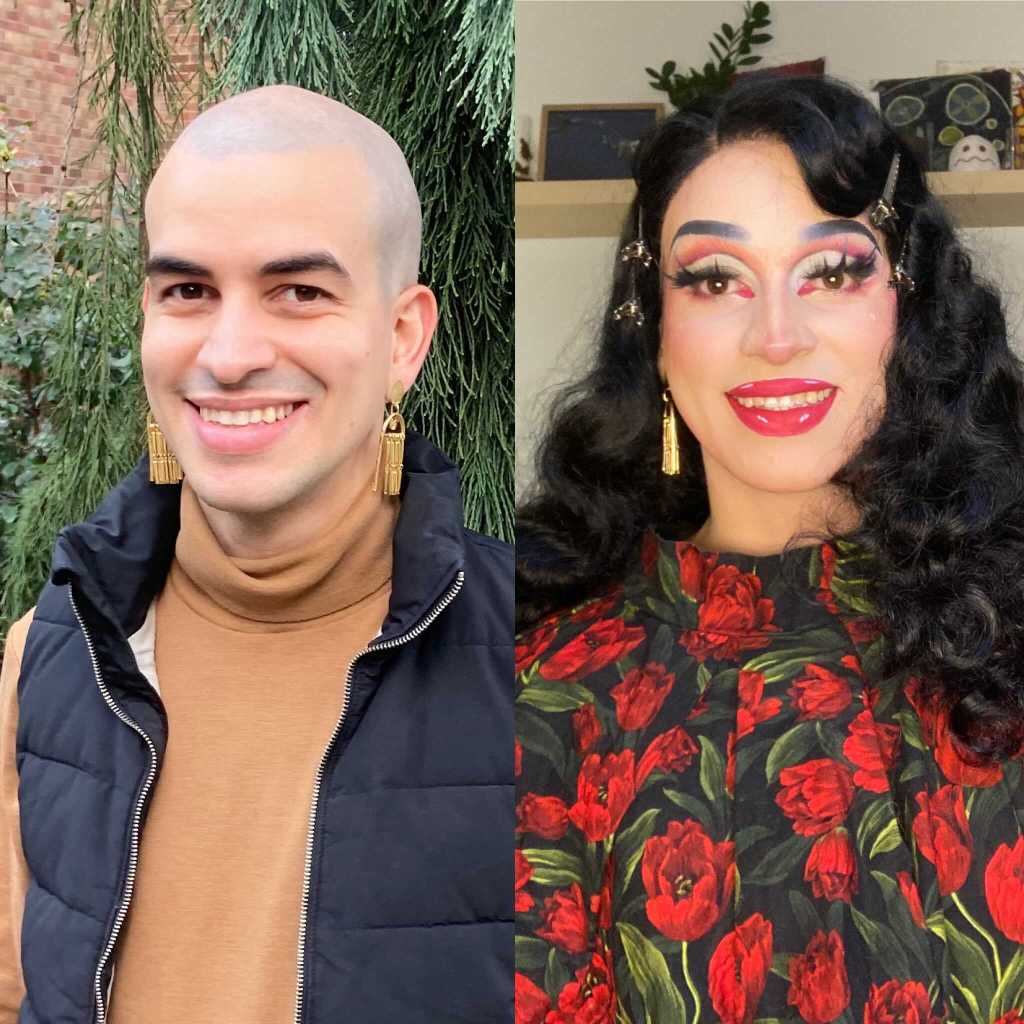
Román “Romi” Ramos Báez (any pronouns) is a UW Seattle Biology PhD Candidate using synthetic biology techniques to learn about the mechanisms of auxin signaling in plants. They are also an immigrant, nb, queer, Latine, pro-worker, anti-capitalist, anti-sexist, anti-racist, activist and artist. They’re currently working on a series where they use drag and leverage their experiences both in and out of academia to teach scientists how to be good mentors to queer and trans BIPOC. You can find this project and more from Romi on their socials:
Sidney Woodruff

Sidney Woodruff (she/they) is a Black, biracial, queer, nonbinary Ecology PhD student at the University of California in Davis, researching native reptile and amphibian conservation. After receiving a BS in Wildlife Sciences and a BS in Forestry, Sidney spent time with the National Park Service at Yosemite National Park. In graduate school, they also dedicate themselves to mentoring and community-building through DEI initiatives and by helping run M.U.S.E. (Mentorship for Underrepresented STEM Enthusiasts), a national mentorship program.
Kirsty Graham

Kirsty Graham (they/she) is a queer, nonbinary Research Fellow at the University of St Andrews, Scotland. They study how primates use gestures to communicate, mainly working with bilia (bonobos). They also do quite a bit of organising work with the Animal Behaviour Collective, UCU, and Newham Solidarity Fund, among other stuff, and are always happy to chat to folks about that too! They love to potter about, tending to plants, making things, going on long walks, and picnics with friends ❤
Bri Johns

Bri Johns (they/she) identifies as queer and bigender/genderqueer, and recently graduated from NC State with a degree in zoology and international studies. They currently work as a community coordinator for the Gathering for Open Science Hardware where they support a global community trying to make the tools we use for science open-source and accessible. They also co-host a podcast called Queer Science! and are a local drag performer (in drag they go by Rye and use he/they pronouns).
Riley DeHority
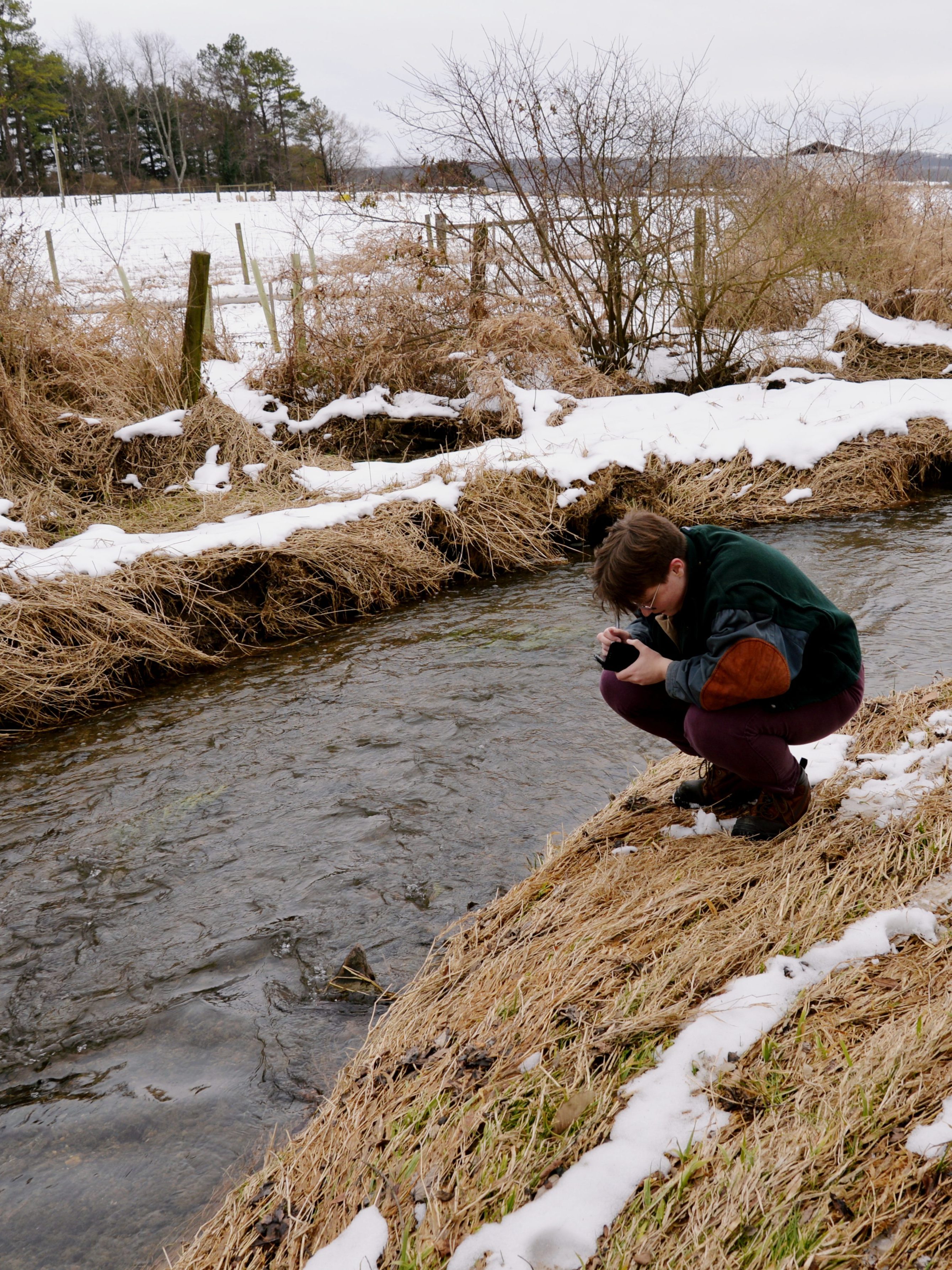
Riley DeHority is a PhD student in Biological Systems Engineering at Virginia Tech. After getting a BS in Biological Engineering from NC State, they spent three years working in consumer products manufacturing. Currently they’re designing immunogens for an opiate vaccine. They’re interested in building more ethical pharmaceutical design and production systems, and in bridging the gap between bioengineering and community health. In their free time they enjoy photography and playing the fiddle.
Jan Eldridge

Dr. Jan or JJ Eldridge (she/they) is currently an Associate Professor and Head of Department of the Department of Physics at the University of Auckland. Her general research concerns the lives and deaths of stars, from those in our own Galaxy to those in galaxies at the edge of the observable Universe. Particularly the effects of binary interactions on the lives of binary stars and how these change the appearance of galaxies, alter the rates of different types of supernovae and gravitational wave events.
Nat Gentry
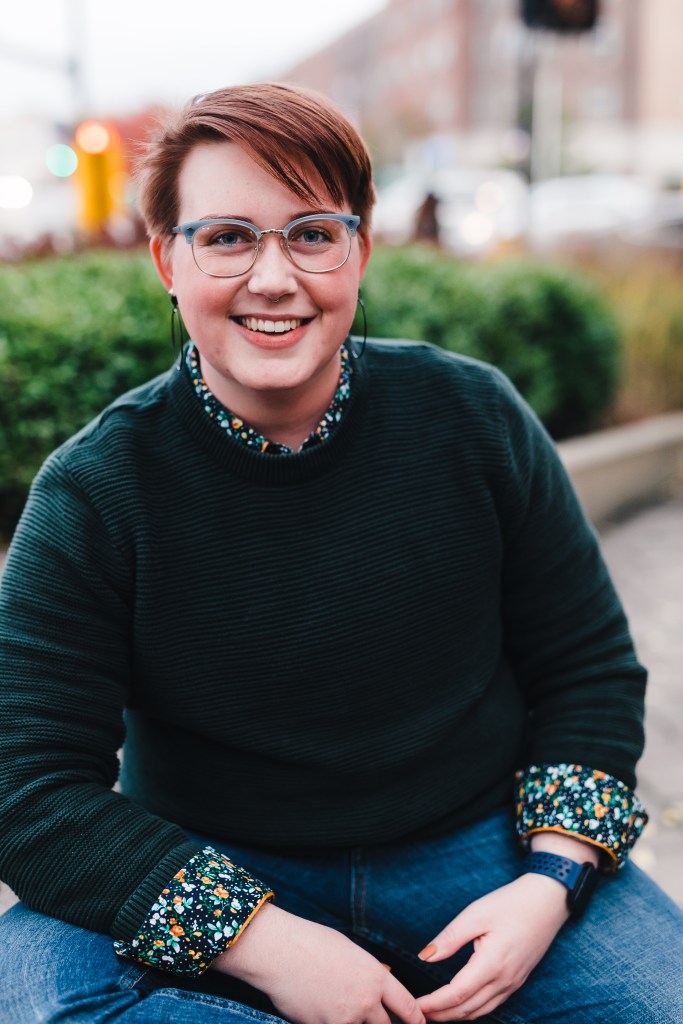
Adrian Nat Gentry (they/them) is a queer, trans Ph.D. student at Purdue University in Engineering Education. Their research interests include assessing student supports in cooperative education programs. In their free time, Nat enjoys bouldering at the local climbing gym and traveling to visit art museums.
Roman Vasquez
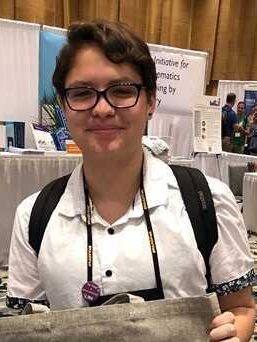
Roman Vasquez is an agender mathematics PhD student at Auburn University. They have published research in fields such as quantum mechanics and discrete geometry, and are an author of several families of integer sequences on the Online Encyclopedia of Integer Sequences. Roman is also a lifelong activist, and spends their time advocating for their fellow disabled academics.
Sayantan Datta
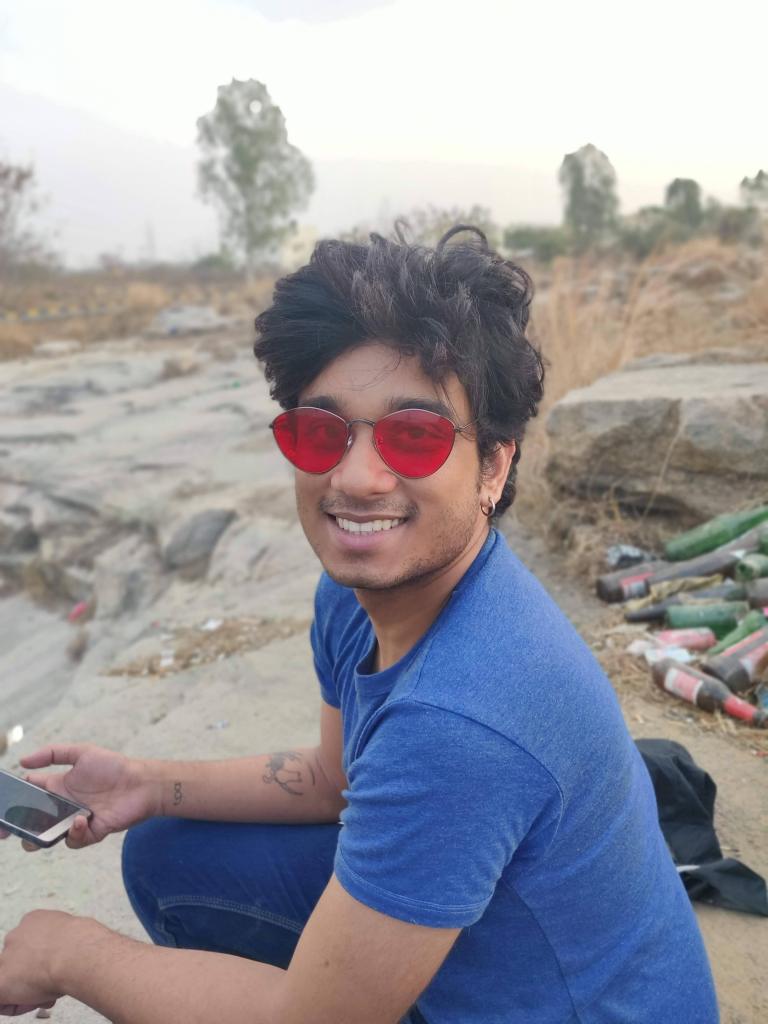
Sayantan (they/them) is a queer-trans neuroscientist-in-training, and a science writer, communicator and journalist. They are interested in the ‘his’tory of scientific research on gender and sexuality, and feminist critiques of science practices and methodologies. They work with the Indian feminist multimedia science collective, TheLifeofScience.com, and sometimes teach writing to undergraduate students!
Ezra Jay Kottler

Ezra Jay Kottler (they/he) is a plant community ecologist and PhD candidate at George Washington University. Their research focuses on how abiotic factors associated with climate change impact the traits, geographic distribution and landscape genetics of marsh grasses, and how these changes in turn affect ecosystem function and resilience to future change. They are also an educator, hiker, LGBTQ+ rights advocate, and musician.
Han Spinner
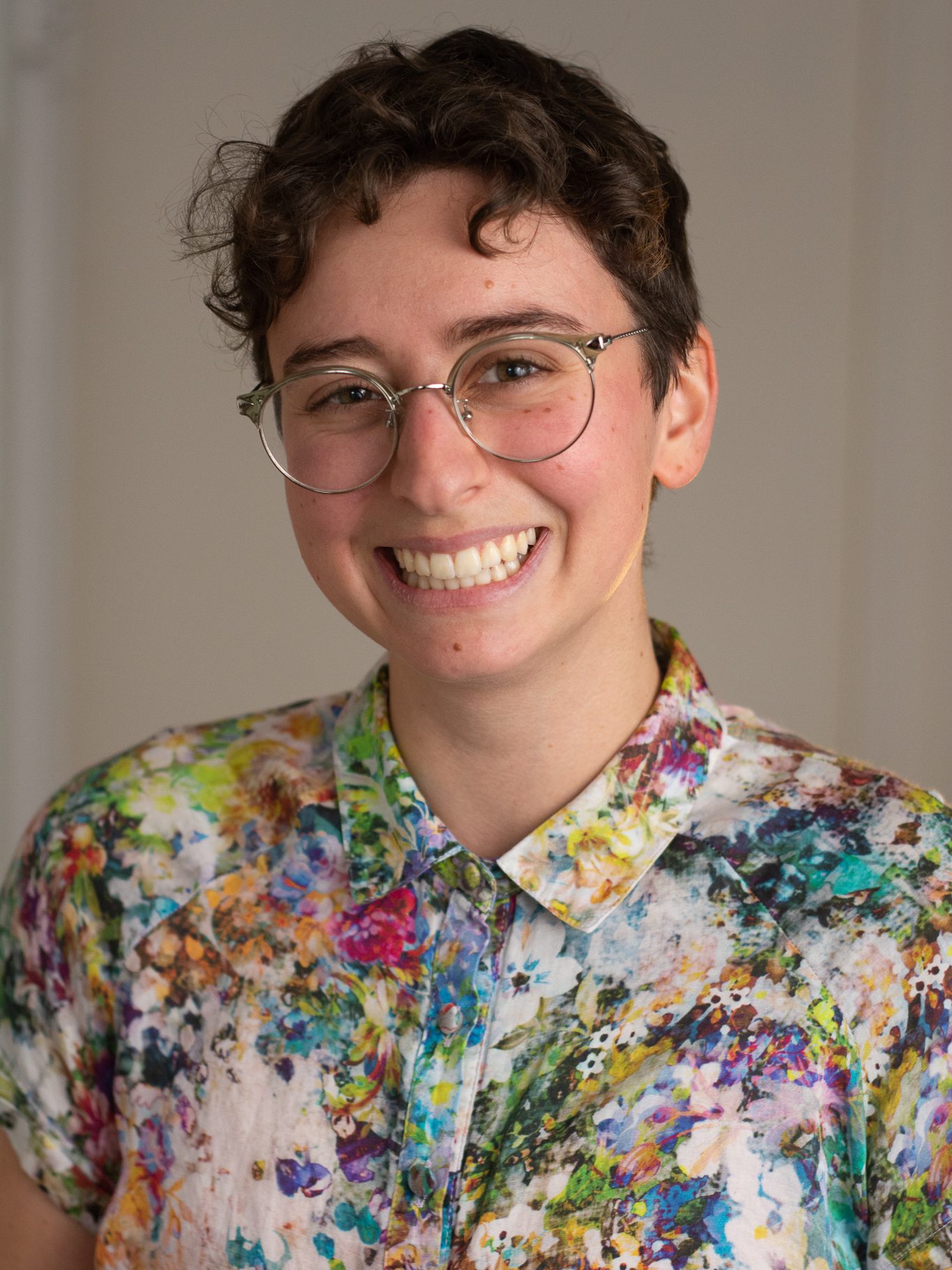
Han Spinner is a non-binary, queer PhD student at Harvard using machine learning to advance protein engineering. Before graduate school, they studied Plant Biology at UC Berkeley, did research on CRISPR proteins, and worked at Scribe Therapeutics. They’re an investor at Petri Bio and a freelance writer for the Timmerman Report. They love connecting with fellow LGBTQ+ folks, reading alongside their cat Mufasa, and answering plant questions no one asked with “that’s actually a fruit!”
Parker Lund
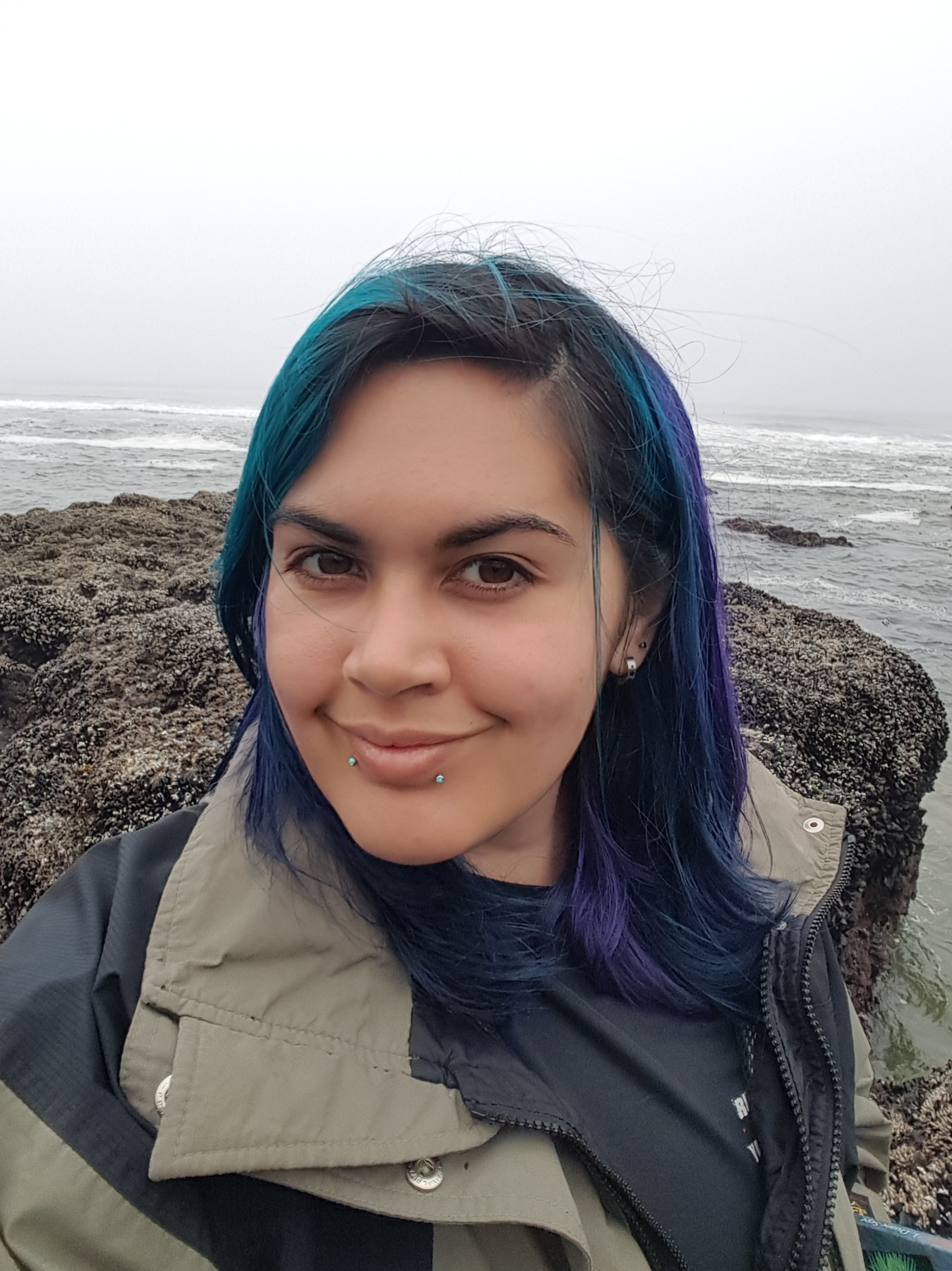
Parker Lund (they/them) is a queer, nonbinary, biology graduate student at Humboldt State University. They are broadly interested in host-microbe interactions in marine systems, and their master’s research focuses on characterizing the microbiota living on invasive sea anemones and investigating the impacts of environmental stress on community composition. Outside of the lab, Parker enjoys hiking with their dog, photographing bacteria colonies, illustration, and video games.
Abby Ray
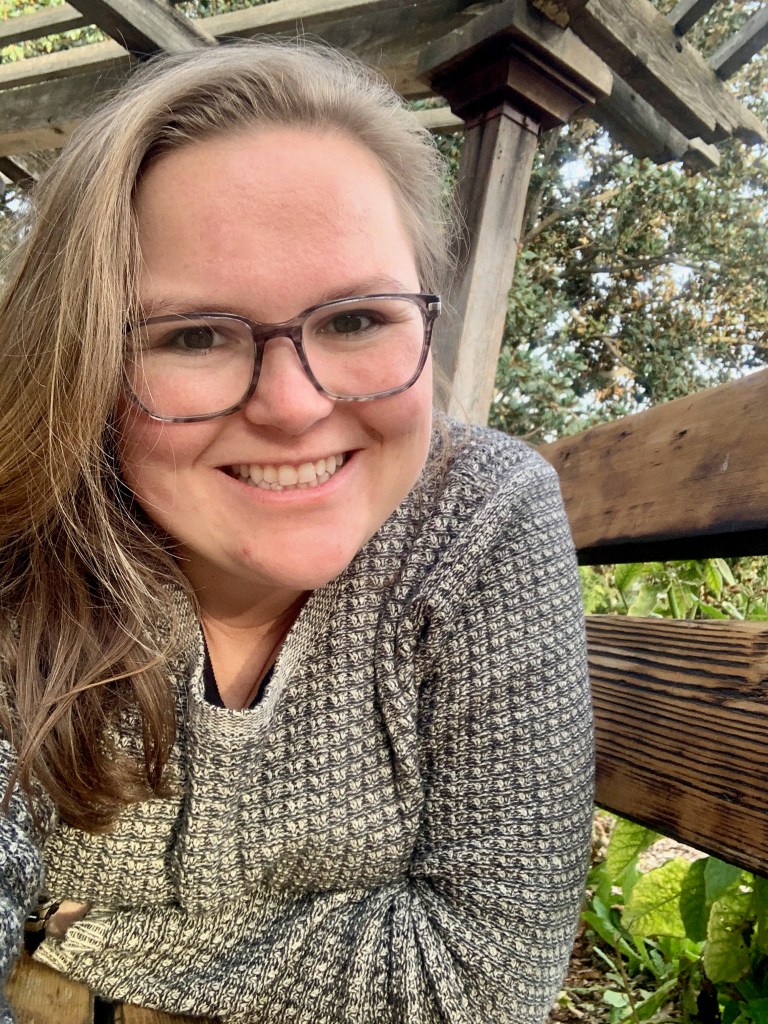
Abby Ray (she/they) is a Ph.D. candidate in microbiology at the University of California Davis. With an interest in infectious diseases, her research focuses on host pathogen interactions in Mycobacterium tuberculosis. She uses genetic and proteomic approaches to improve our understanding of the molecular mechanisms of infection and virulence. She is also passionate about mentoring and inclusivity in STEM and currently serves as the Director of Design and Social Media for oSTEM. Outside the lab, she enjoys exploring beaches of northern California, listening to podcasts, making art, and attempting to keep plants alive.
Indigo Underwood
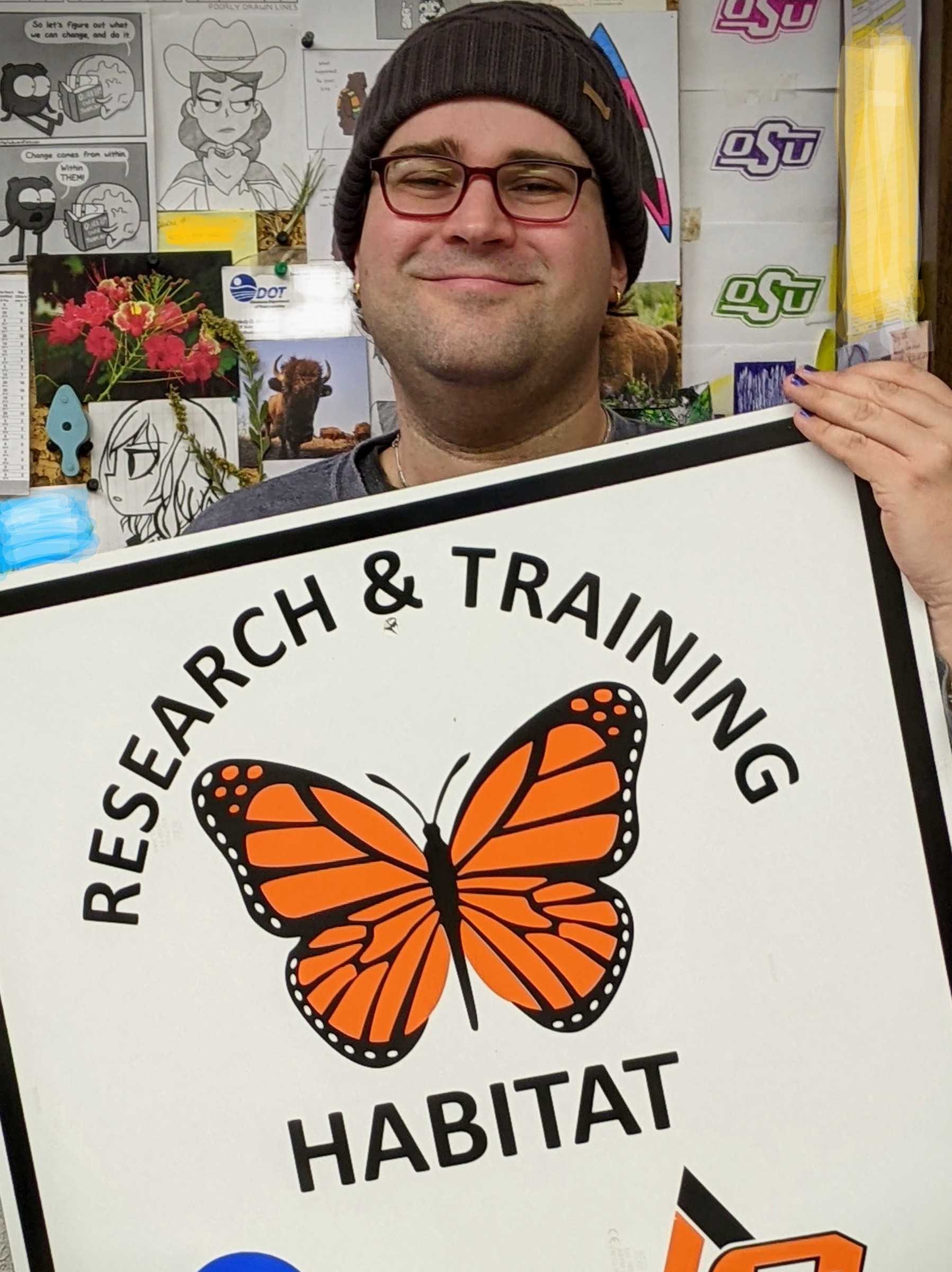
Indigo Underwood (they/them) is a nonbinary, trans, PhD student at Oklahoma State University in Environmental Science. They completed their MS Horticulture (Oklahoma State University) in 2017 and spent time working for the Dallas Arboretum, OSU Extension, and Myriad Gardens (Oklahoma City). Their research interest includes native grasses for turf use, using native plants in the home landscape, increasing native habitat along roadways, and just about anything with native plants or where horticulture/ecology/environmental issues interact. In their free time, they enjoy wildflower gardening, boardgames, and just general time in nature.
Twitter
Hannen Wolfe
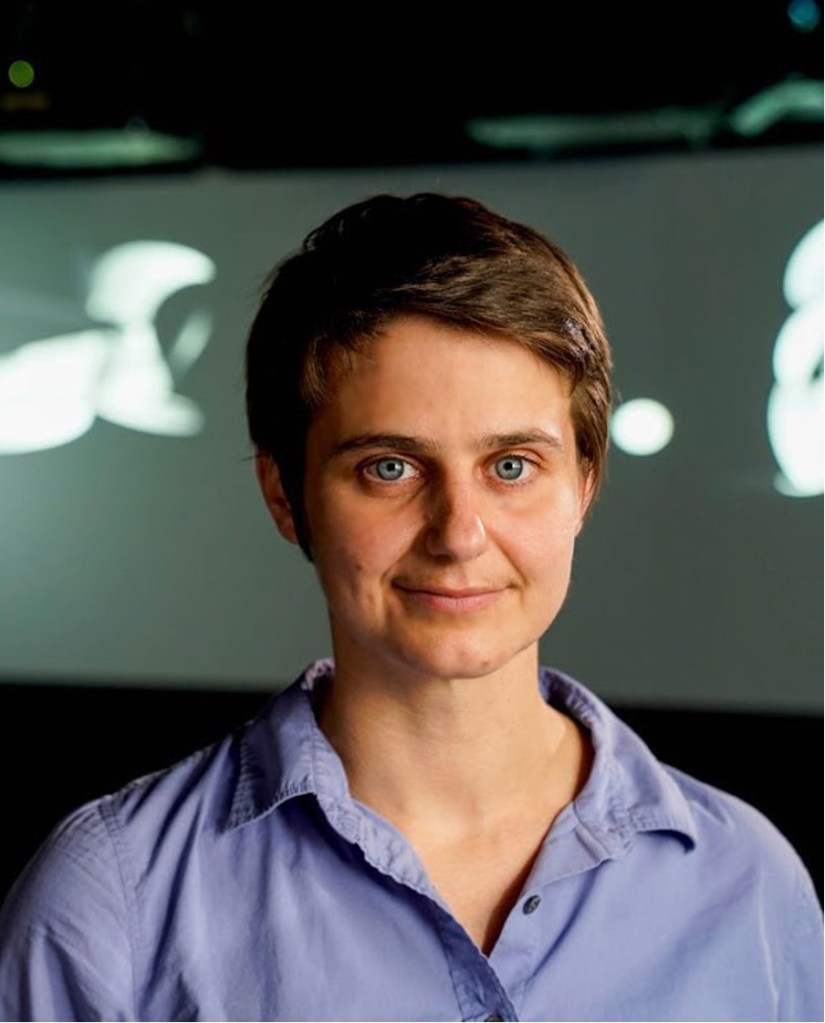
Hannen Wolfe (they/them) is a queer nonbinary media artist and Assistant Professor of Computer Science at Colby College. Their research is at the intersection of art and computation, building interactive art installations that make digital interactions physical, uplift underrepresented voices, and question how we use technology.
Alexis Marcoux Rouleau

Alexis Marcoux Rouleau is a non binary trans, queer, white francophone settler based in occupied Tio’tia:ke/Mooniyang (so-called Montréal, Canada). Their pronouns are they/them or he/him. As a second-year PhD student in criminology at the Université de Montréal, his work centers social and penal control of marginalized populations. It is rooted in a theoretical and practical commitment to social justice and community-building.
Negin Katal
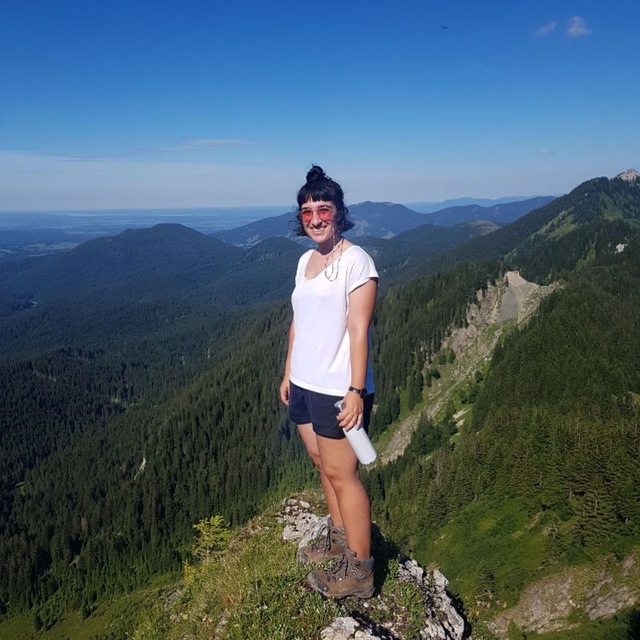
Negin (they/them) is a non-binary ecologist and Ph.D. candidate at Max Planck Institute for Biogeochemistry in Germany. Their research focuses on using AI to study plant phenological changes due to climate change based on community science data.
Besides science, they enjoy longboard dancing, bouldering, traveling, cooking, and illustration.
Jen
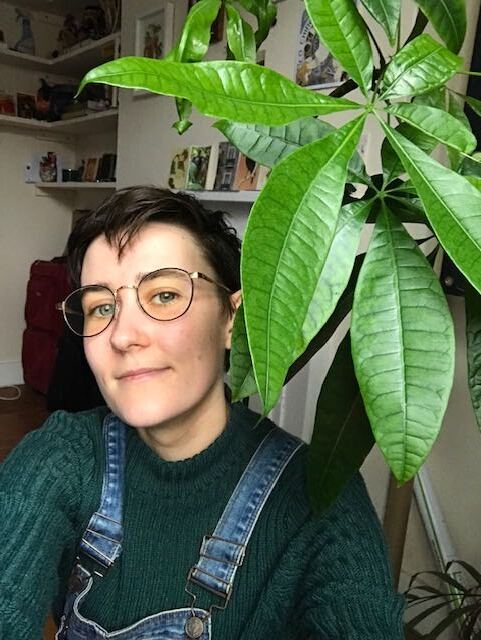
Jen (they/them) is PhD student at Anglia Ruskin University in the UK. They study the vocal behaviour and production of titi monkeys. Outside of this they work in wildlife and scientific illustration, collaborating with conservation organisations.
Timber Burnette
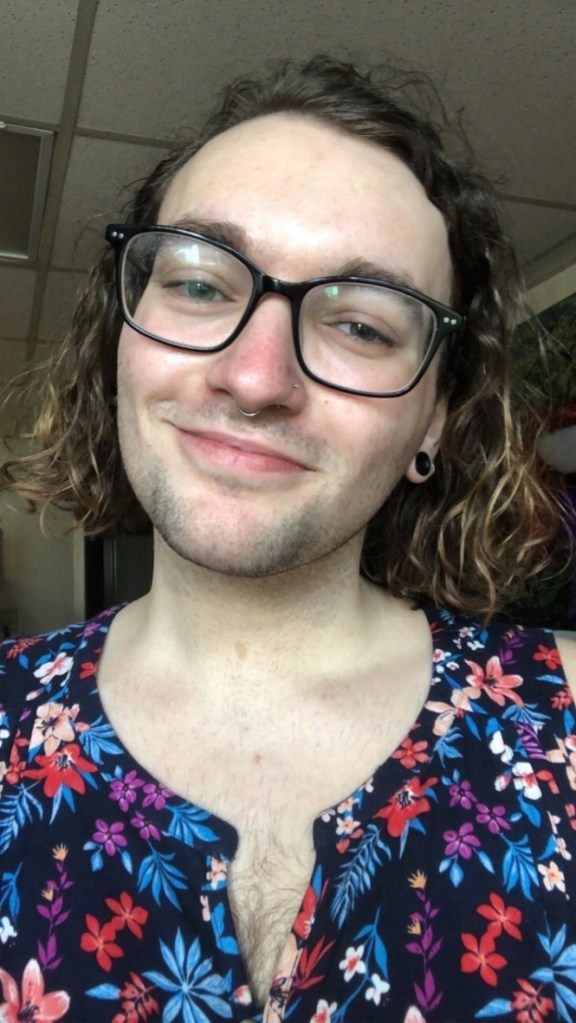
Timber Burnette is a plant ecophysiologist studying why tree seedlings survive droughts. They are particularly interested in how carbohydrates influence plant mortality. Outside of work they enjoy working out and running, gardening, reading about plants, making clothes, and watching tv.
Stephanie Campbell
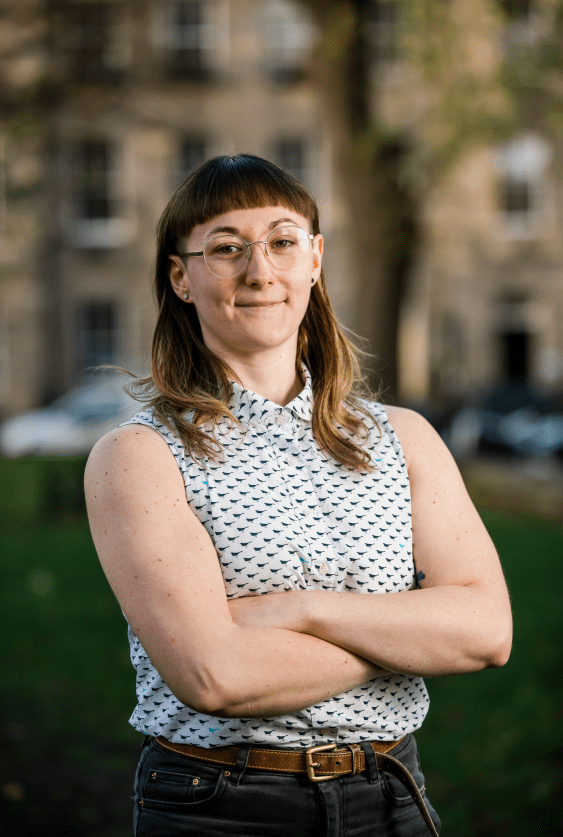
Steph (they/them) is a nonbinary Astronomer, completing their PhD at the University of St Andrews in Scotland. Their work focuses on using the motions of stars and gas in other galaxies to measure the amount of dark matter present in these galaxies. Steph went to school in a predominantly working class area of Scotland before completing their Masters at the University of Edinburgh. Tangential to their research they are passionate about engaging traditionally excluded audiences with space including in their role as coordinator of the St Andrews Planetarium, and work within their department to improve equality diversity and inclusion in their field, having set up the first regular EDI seminar series in their department. In their spare time Steph climbs regularly, paints, and swims in the Scottish sea when they can.
Website – Twitter
Makaylee Crone
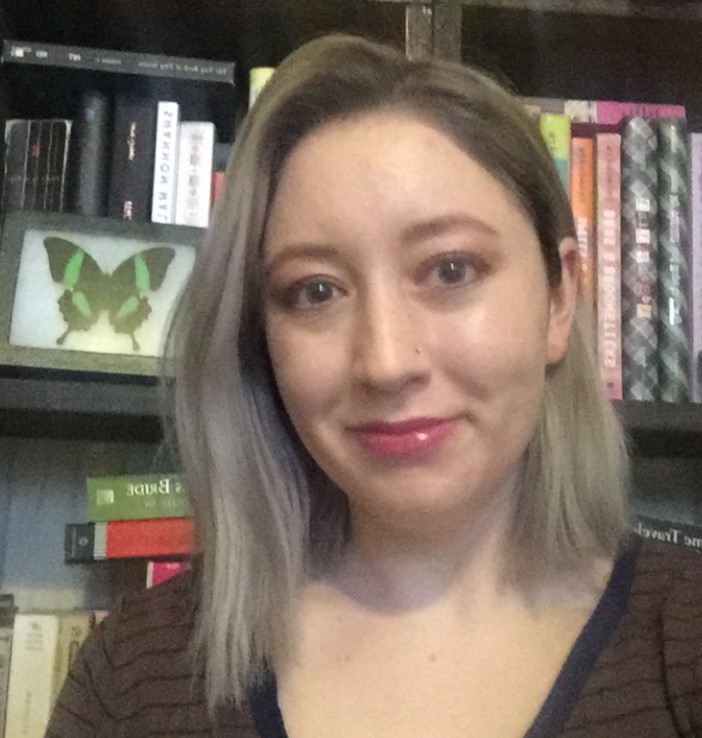
Makaylee (they/them) is a non-binary, queer PhD candidate at Penn State. They study wild bee nutrition, and in particular how plant choice is influenced by environmental conditions. They also enjoy rock climbing, being outdoors, and spending time with their dog, Muffin.
LJ Brubaker
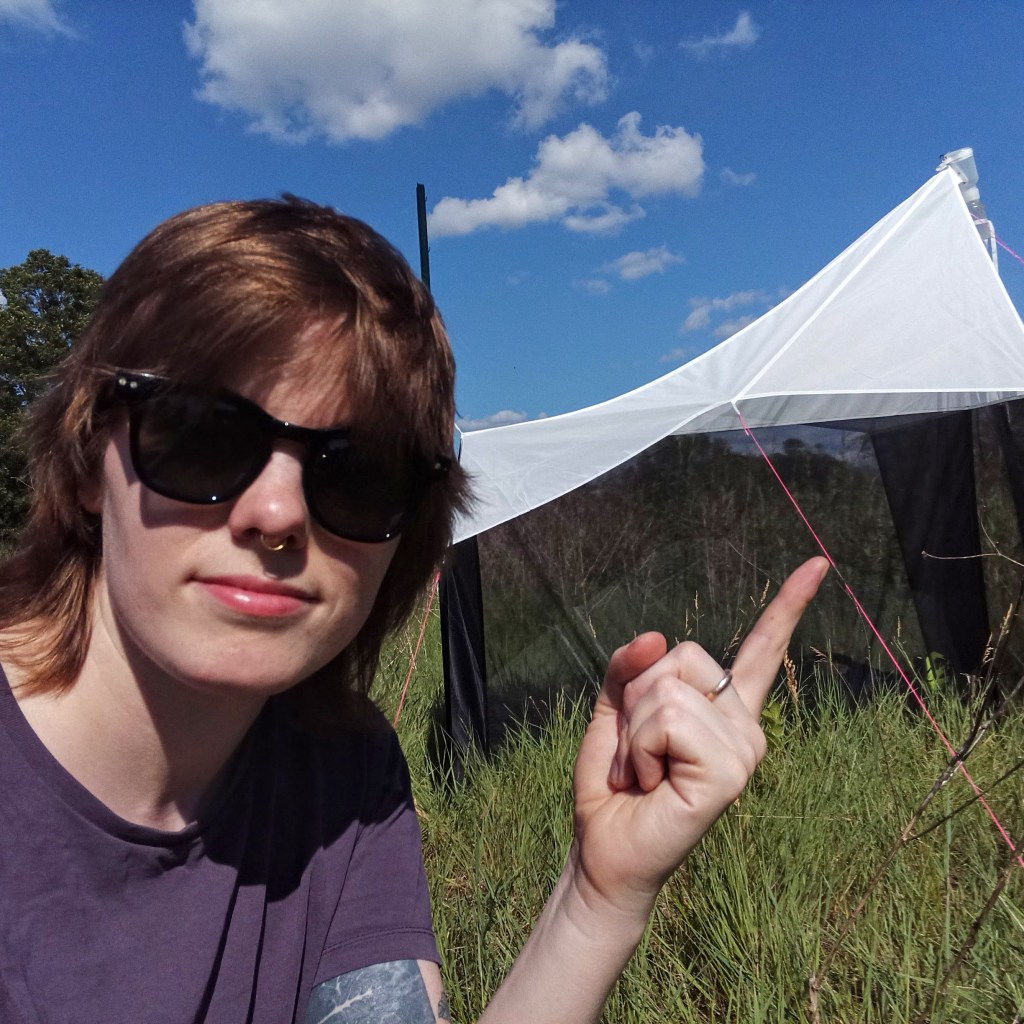
LJ Brubaker (they/them) is a naturalist and urbanist interested in urban ecology and biodiversity, plant-insect relationships, and North American solitary bees and wasps. LJ enjoys engaging the public at all levels through environmental education and science communication, and collaborates with others in environmental sciences and non-profits to improve equity in the field.
Savannah (Savvy) Cornett
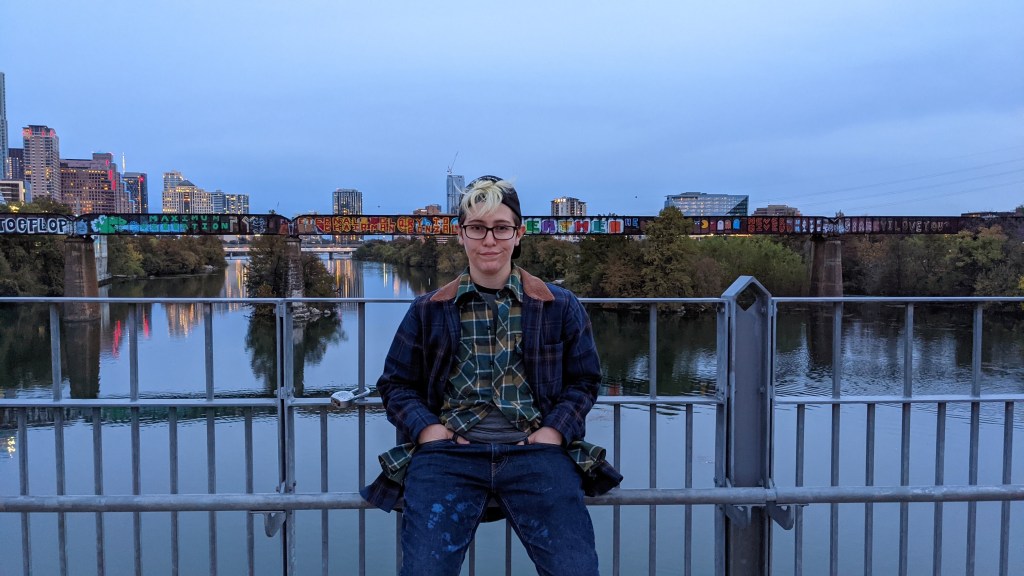
The phrase “shape dictates function” typically refers to tertiary and quaternary structures of proteins, but can also describe the contexts of behaviors: physiological mechanisms govern a behavior inasmuch as the behavior impacts the animal’s physiology. In this way, Savannah (Savvy) Cornett (they/them) studies reproduction and sexually dimorphic physiology and behaviors, specifically in areas overlooked due to anthropomorphic sex-based biases. In their experience, the assertion of binary sex obfuscates research into reproduction and sexual dimorphisms, regardless of the field. It is impossible to understand mechanisms driving behaviors when one starts by projecting sex-differences. They want to explore the gaps in the literature created by sex-based assumptions through field and lab-based research to determine the influencing factors as well as reshape our present understanding of “sex” to a more accurate, inclusive definition. They believe filling in these gaps will reveal a wealth of information on the complexity and interconnectivity of physiology and behaviors. Savvy graduated in 2019 with their BA in Molecular Biology, Neuroendocrinology, and Animal Behavior, at Hampshire College, in western Massachusetts. From 2019-2021, they worked with sodium and calcium ion channels in Jen Pan’s Lab at The Stanley Center for Psychiatric Diseases at the Broad Institute, Cambridge, MA. They are currently a graduate student in the Ecology, Evolution, and Behavior Ph.D. program at the University of Texas at Austin.
Twitter – Instagram
Rithya Kunnawalkam Elayavalli
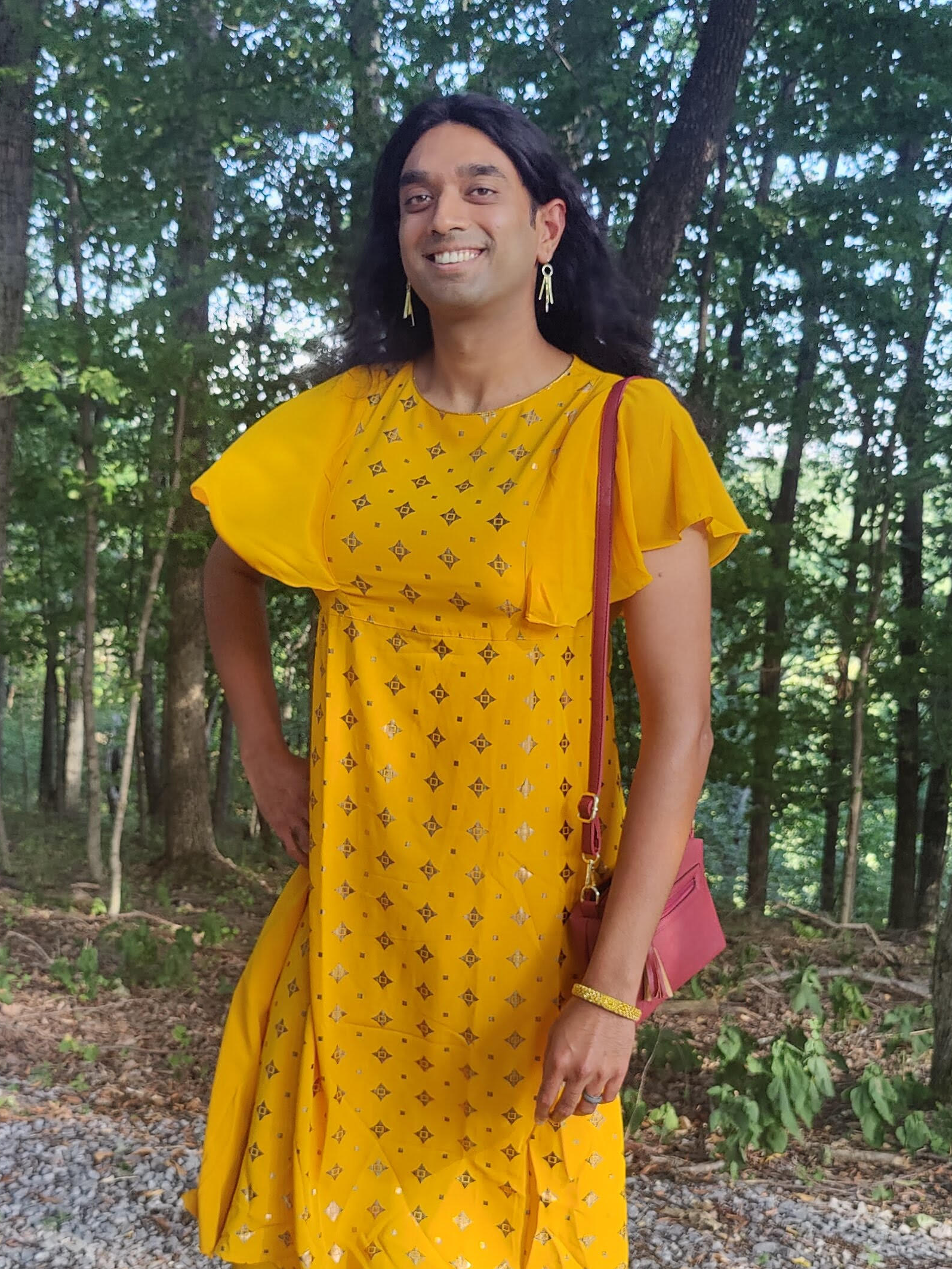
Rithya Kunnawalkam Elayavalli (she/they) is a nonbinary, genderfluid high energy nuclear physicist at Vanderbilt University. Their group focuses on the fundamental physics question of how quarks and gluons evolve in space and time to form stable particles such as protons and neutrons that make up everyone and everything. They are members of experimental collaborations at both the Relativistic Heavy Ion Collider, the US-based particle accelerator and the Large Hadron Collider at CERN in Geneva Switzerland and also work with theorists and phenomenologists on creating new observables that can then be measured with data, employing novel machine learning techniques in the process. They are committed to mentoring the next generation of scientists starting from middle and high schools by working on science fairs, summer workshops and all together believe in the power of diverse representation and inclusive thought as crucial for scientific progress. When not thinking about physics, they enjoy running, playing with their cats Fili and Kili, cooking and catching up on tv shows.
Alex Innanen
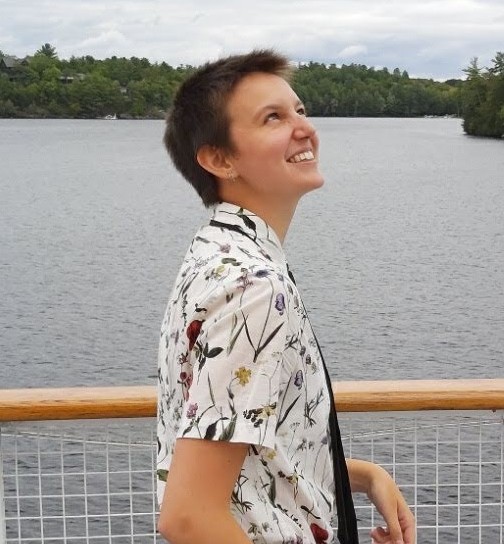
Alex (they/them) is a planetary scientist completing their PhD at York University. Their research focuses on the Martian atmosphere and water cycle. When they don’t have their head in the Martian clouds, Alex can be found playing in the dirt (gardening) or tying knots in string (knitting and crocheting).
River Mizell
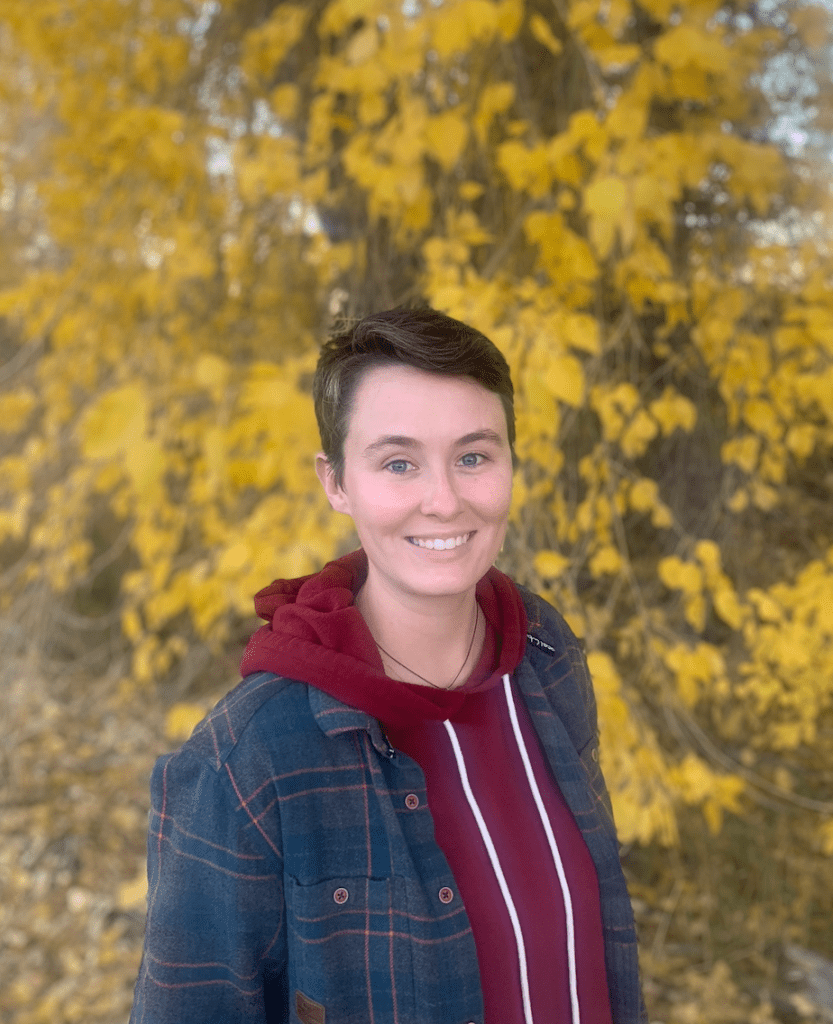
River is a nomad and has lived all over the world. Inspired by the impacts of climate change on their native coral reef in Okinawa Japan, River started their journey with climate communication and science by teaching SCUBA classes to children and families. With a Masters Degree from Miami University in Biology they are now working towards a climate positive future with Atmos Financial, a financial technology company working to disrupt the traditional banking system and utilize funds exclusively for climate-positive projects and investments.
Seven Rasmussen
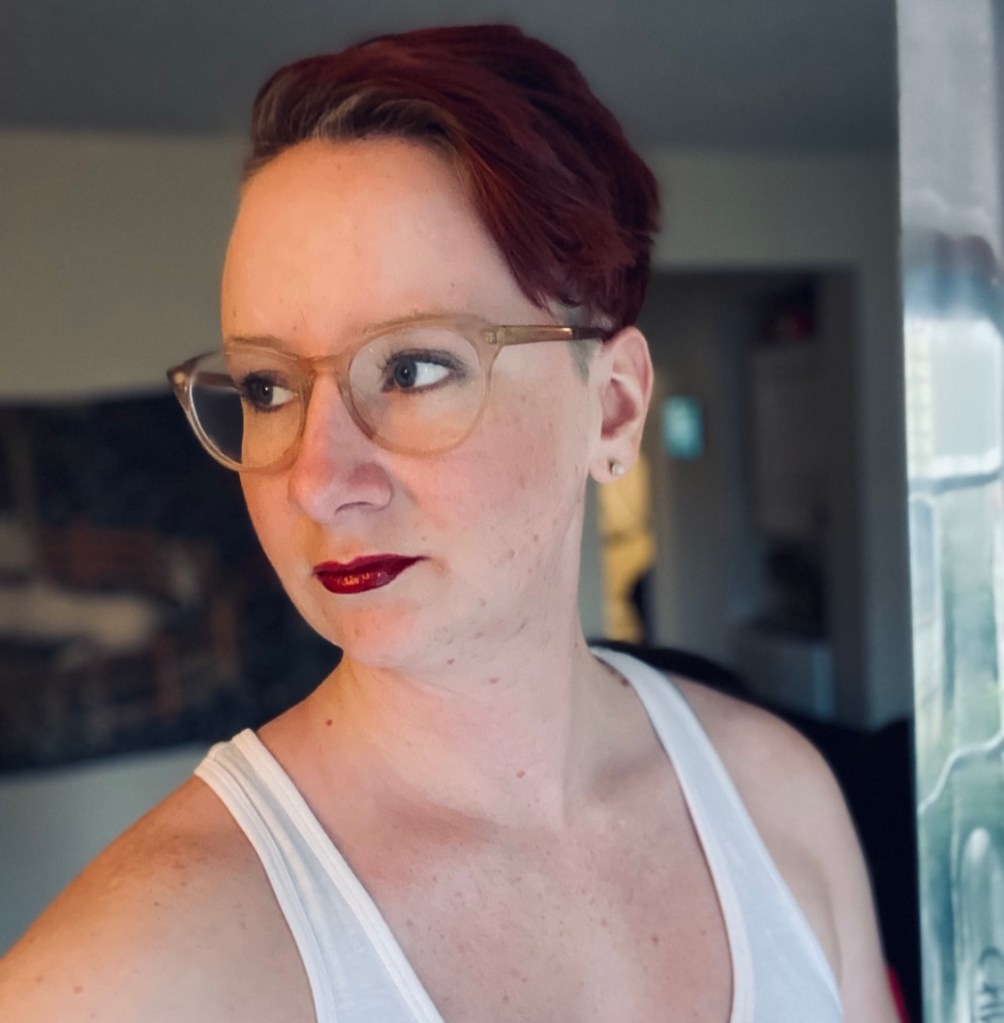
Seven Rasmussen (she/they) is a Seattle-based queer, non-binary astrophysicist and non-fiction author. At their postdoc at University of Washington, they simulate next-generation telescopes to aid in the search for life on other planets. They are also writing a book on the Drake Equation with Princeton University Press. Seven is on the ISNBS speaker list and can be contacted by event organizers and reporters about astrophysics, the search for life, and being out in STEM.
Emerson M Lynch
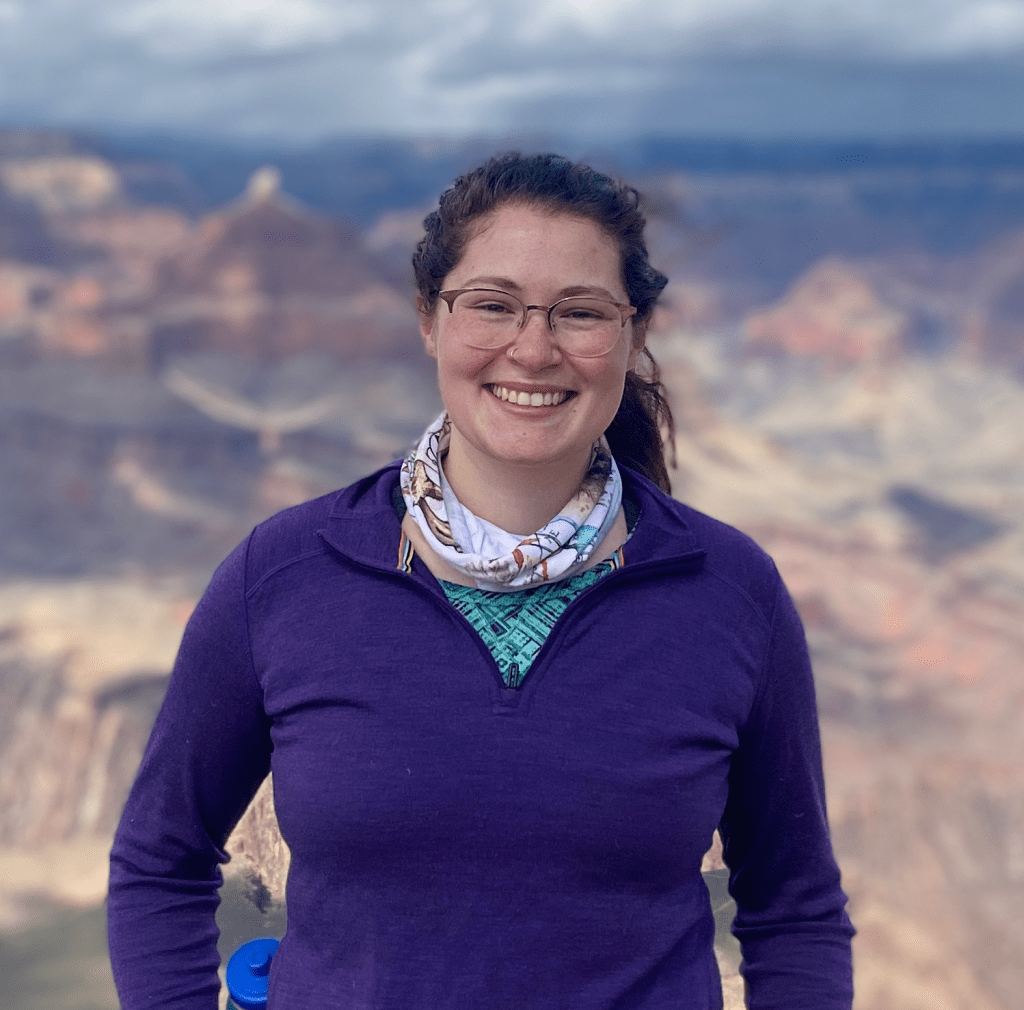
Emerson Lynch (they/them) is a queer, nonbinary PhD Candidate in Earth Sciences at Northern Arizona University, focusing on active tectonics. They completed a BS in Mathematics at Smith College in 2015. Their research uses field mapping, paleoseismic trenching (excavating across faults to expose earthquake deposits), and modeling to learn about where, when, and how big past earthquakes were. Emerson is committed to expanding access to the outdoors. They founded and run a Gear Locker for students at NAU to attend course field trips without spending hundreds of dollars on gear.
Illeana Alexander

Illeana Alexander (they/them) works in coastal watershed protection and environmental justice. They have a strong background in both social and biological sciences and while a bulk of their work is in policy, Illeana loves getting out on or in the water to conduct fieldwork. They currently work for the Confederated Tribes of Coos, Lower Umpqua, and Siuslaw Indians focusing on emergency and spill response programming in Tribal waterways. When not at work you can find Illeana working on any number of textile and fabric crafts, baking their favorite Filipino desserts, or hanging out on the beach with their dog.
Kendall Sullivan
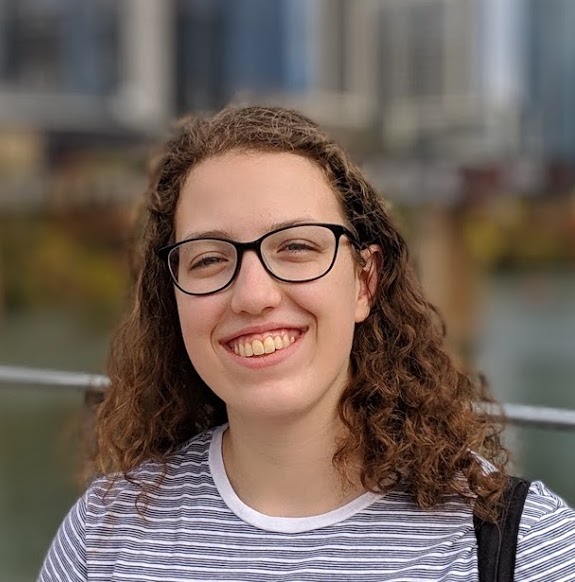
Kendall Sullivan (they/them) is a PhD student in astrophysics at the University of Texas at Austin. Their research focuses on star and planet formation using both observations and simulations, and they are particularly interested in the impact observational limitations have on our understanding of star and exoplanet populations. Outside of work, they like to cook, read anything they can get their hands on, powerlift, and hang out with their cat Milo.
Sam Patterson

Sam Patterson (they/them) is a queer, trans, nonbinary research fellow at New York University. They study development, sociality, and aging in primates. Sam has studied animals in Kenya, Ethiopia, Puerto Rico, and Costa Rica. They are also passionate about mentoring and creating a more inclusive culture in academia. In their free time, Sam enjoys skating (on ice or concrete), climbing, kayaking, hanging with cats, and photography.
Jakob Joachin

Jakob Joachin (they/them) is a Latine, queer, nonbinary, Research Fellow at the University of Houston. They are currently researching how plants and their associated microbial communities will respond to climate change, and in the near future, they hope to study how microbes can help restore degraded ecosystems. Outside the lab/greenhouse/field, Jakob likes to walk with their dog and play World of Warcraft.
Ariel Thelander

Ariel (they/them) is a doctoral student at the University of Notre Dame. They work with RNA-binding proteins and small-molecule ligands to elucidate targeting principles for dynamic proteins. They did their B.Sc. in biochemistry at the University of California, Santa Barbara and have a Master’s degree in entrepreneurship from Notre Dame. They are the proud owner of two cats, an avid traveler, and a yoga teacher/practitioner in their free time.
Danielle Oberg
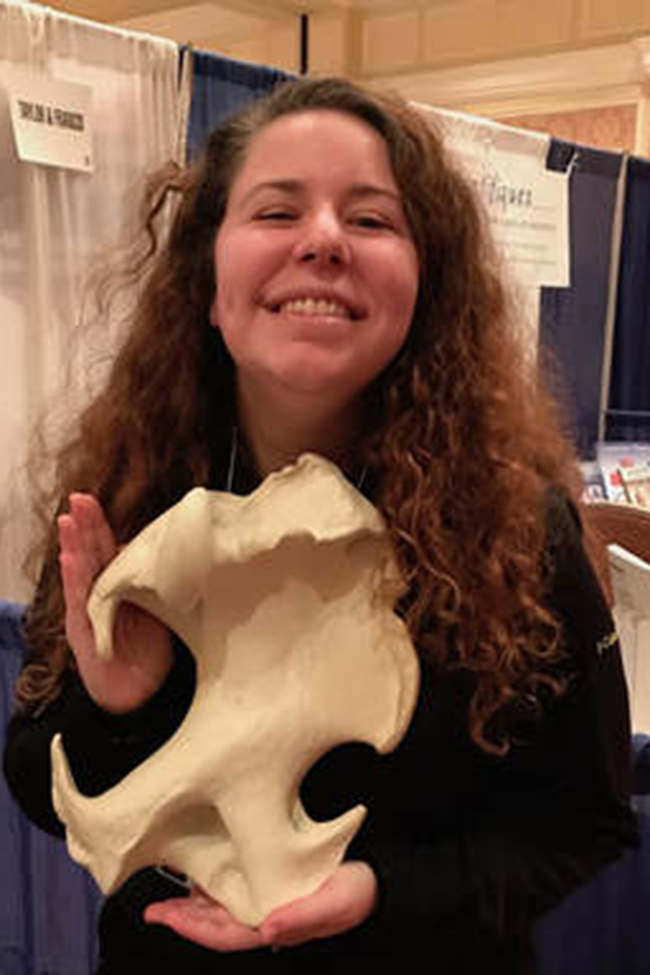
Danielle Oberg (they/them) is a queer, gynesexual/romantic, nonbinary/genderfluid, neurodiverse Geoscience PhD student at the University of Arkansas. They study the relationship between the carbon cycle, climate change, and terrestrial ecosystem stability. Their dissertation research focuses on explaining environmental, ecological, and climatic change before, during, and after mass extinctions using vertebrate paleontology and stable isotope geochemistry. Outside of academia, Danielle spends time in the great outdoors with their 2 cats (both are leash trained), meditating, playing video games and classic tabletop RPGs, and dismantling the patriarchy.
Sophia Frentz
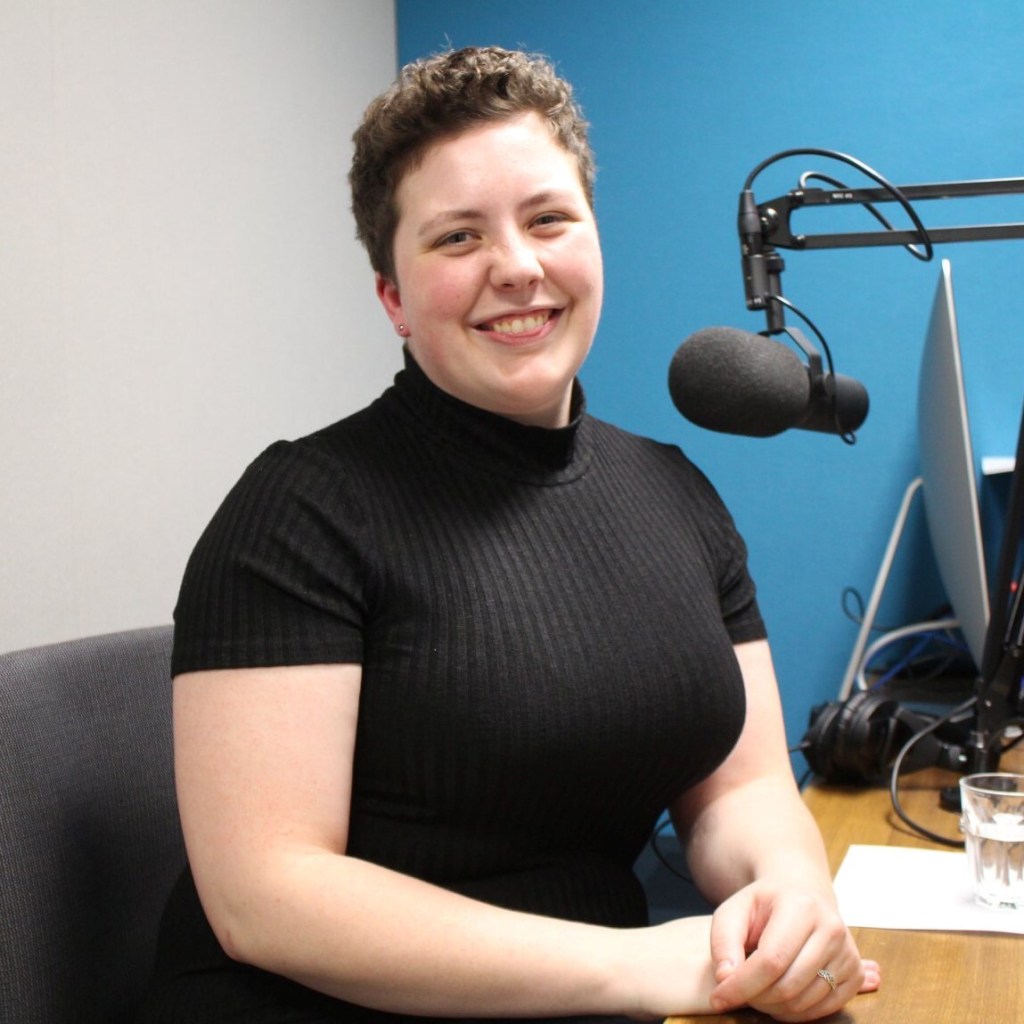
Dr Sophia Frentz (they/them) is a Senior Data Consultant at Eliiza, an AI, ML, and Data Science consultancy, in Naarm (Melbourne), Australia. Sophia is also a non-executive director for Out for Australia and spent six years as a councilor for the Royal Society of Victoria. Sophia is originally from Tauranga, New Zealand, has a BSc(Hons) in Genetics from the University of Otago, and a PhD investigating mitochondrial diseases from the University of Melbourne. Their work now focuses on helping people and organisations use data in better and more ethical ways. They are non-binary, bisexual, autistic, and disabled, and were one of Out for Australia’s 30 under 30 winners for 2020.
William-Cael Lampman
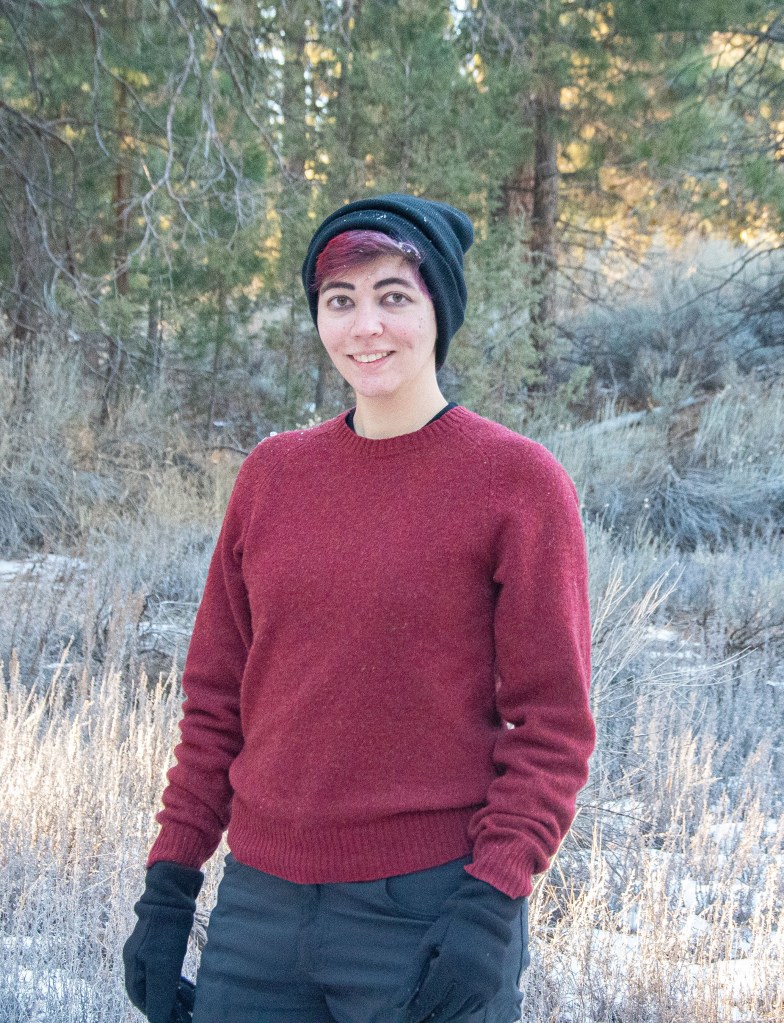
William-Cael Lampman (he/they) is a graduate student at the University of California, Riverside, studying Evolution, Ecology, and Organismal Biology. After receiving dual BS degrees from the University of Arizona in Wildlife Conservation and Plant Sciences, William became interested in animal behavioral ecology, and currently studies personality syndromes in laboratory mice. In addition to scientific and LGBTQ+ outreach, William enjoys writing novels, amateur wildlife photography, and being around animals!
Jae Sloan
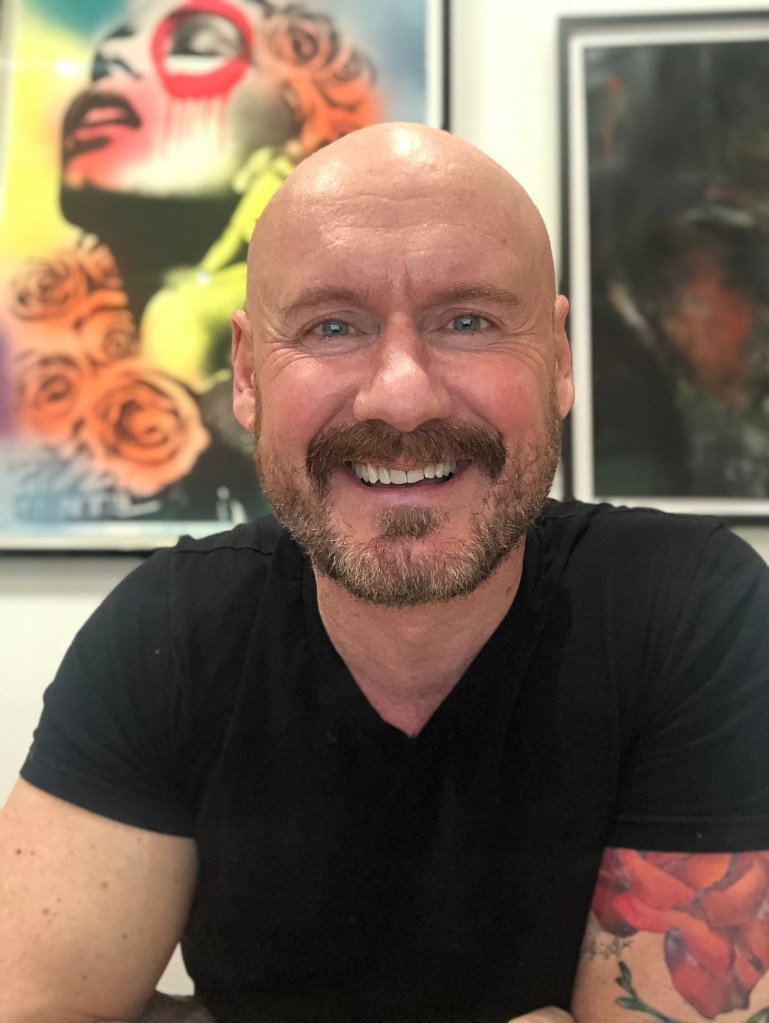
Jae Sloan is an organisational development consultant, executive coach and mentor with expertise in business strategy, performance, inclusion & diversity, leadership and change. Jae has 20 years’ experience working in a multinational pharma organisation as well as more than 5 years of professional experience working in education/non-profit community organisations.
As an out queer (non-binary, gay) person Jae has nearly 10 years of leadership in inclusion and diversity with an emphasis on LGBTQ+. Jae is a Co-Founder and current Co-Chair of the Proud Science Alliance, a collective of healthcare and life sciences sector LGBTQ+ networks and partners who work together to raise the bar on LGBTQ+ inclusion within their organisations and the sector as a whole.
While working in the corporate, non-profit and educational sectors for more than 25 years, Jae has integrated personal study and practice across the mind-body-spirit continuum. Jae has done this formally through graduate degrees, an MSc in Exercise Physiology from Springfield College and an MSc in Cell and Molecular Biology from the University of Pennsylvania, gaining in depth understanding of how our bodies work. Building on this foundation, Jae has used other formal learning opportunities, workshops, reading and practices such as exercise, yoga, meditation and chakra healing techniques to gain practical understanding of how our minds and spirits intersect with our bodies. With further formal training in interpersonal/group dynamics and Gestalt, Jae is skilled in working with individuals and groups to build knowledge and awareness of how we can better know ourselves, heal our bodies and stand in our power.
Emma Reich

Emma Reich (they/she) is a queer non-binary Ecological and Environmental Informatics PhD student in the School of Informatics, Computing, and Cyber Systems at Northern Arizona University in Flagstaff, Arizona. They study plant ecophysiology and ecosystem water fluxes in drylands, and are currently working on an evapotranspiration partitioning model that uses both process-based and Bayesian algorithms. In 2019 they graduated from UC Berkeley with a BS in Molecular Environmental Biology and a concentration in Ecology, where they studied blue oak hydraulics and crustose coralline algae susceptibility to rising temperatures. In their free time, they trail run, mountain bike, climb, and write.
Evan L. Sneed

Evan Sneed (he/him or they/them) is a postbaccalaureate researcher whose interests include searching for radio technosignatures and atmospheric biosignatures along with modeling planetary habitability.
B Graham
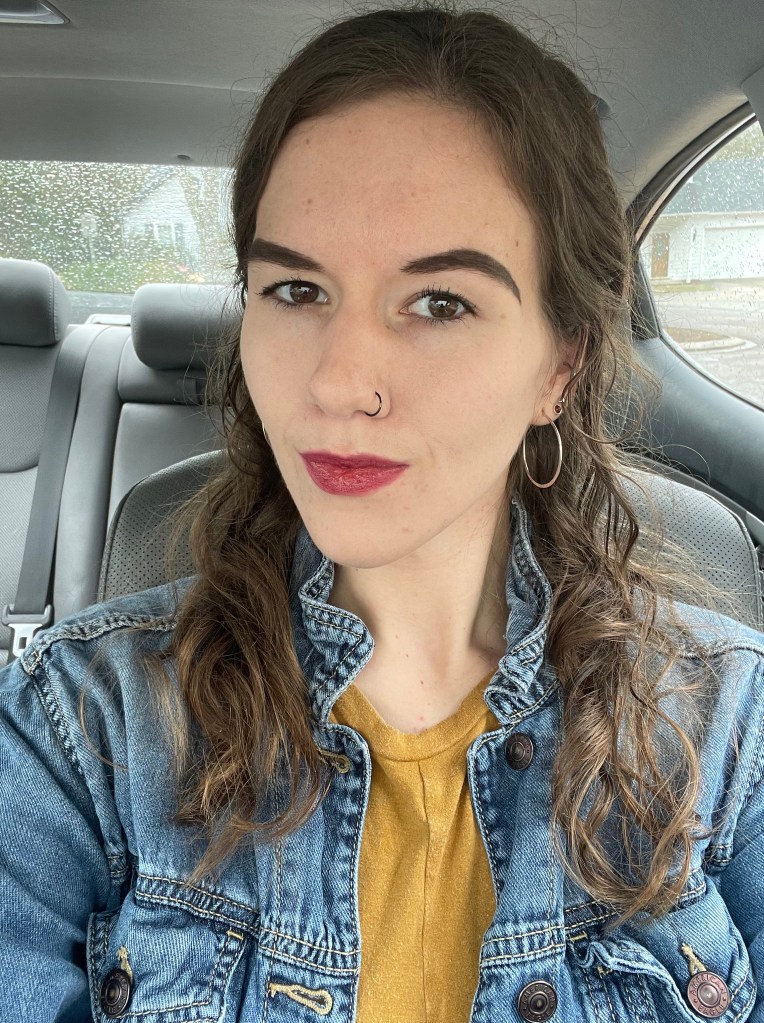
B Graham (they/them) is a sociologist in training
Mena Davidson

Mena (she/they) is a PhD candidate at University of Michigan, behavioral ecologist, and aspiring science writer. In grad school, they currently study social behavior and animal adaptation to environmental change, using prairie voles (pictured) as a model species. They are originally from Utah, where they gained a love for the mountains and desert. In their free time, they enjoy hanging out with their dogs, making jewelry (amateur), riding their bike, and collecting rocks!
Hunter Green
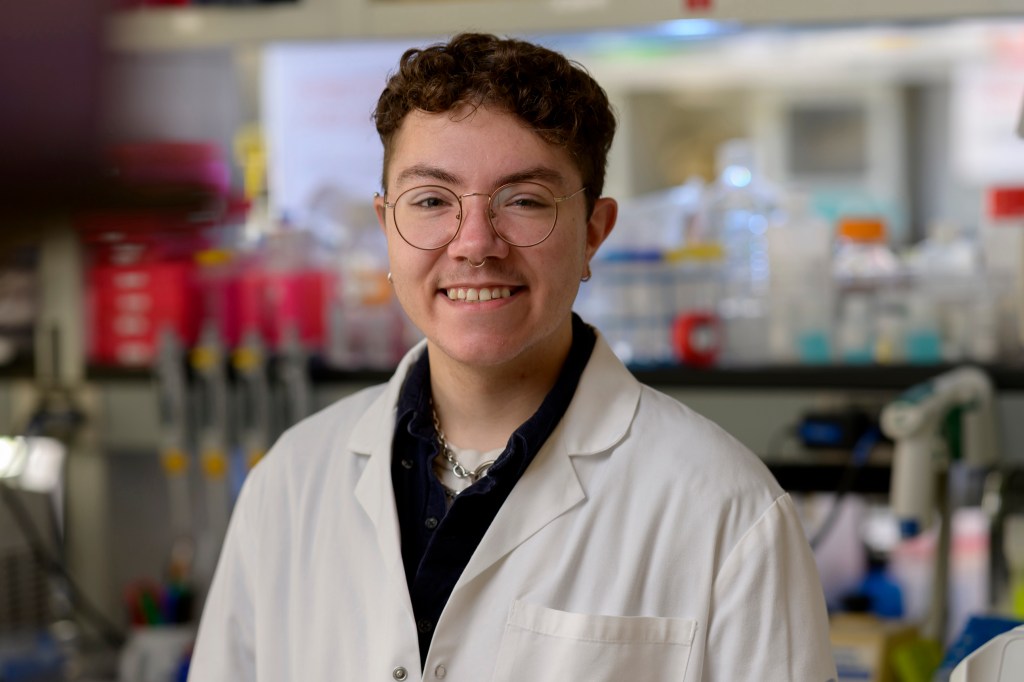
Hunter Green (they/them) is a queer, trans masc/nonbinary, autistic research scientist at Memorial Sloan Kettering Cancer Center. Hunter has been at MSK since 2019, and joined the Weigelt Lab in 2021 where they study gynecological malignancies such as uterine and ovarian cancers. Hunter is involved in several projects:
– investigating the body’s stress response to debulking surgery for ovarian cancer & the impact that surgical stress may have on metastasis
– developing endometrial tumor organoids to better understand the genetic heterogenicity of uterine malignancies
– identifying biomarkers for a rare ovarian cancer & using these to identify drug candidates that may impact the immunogenicity of these tumors. While working in the Weigelt Lab Hunter has developed a passion for surgical oncology & is currently studying for the MCATs, with plans to pursue medical school in the near future.
Rebecca Colquhoun
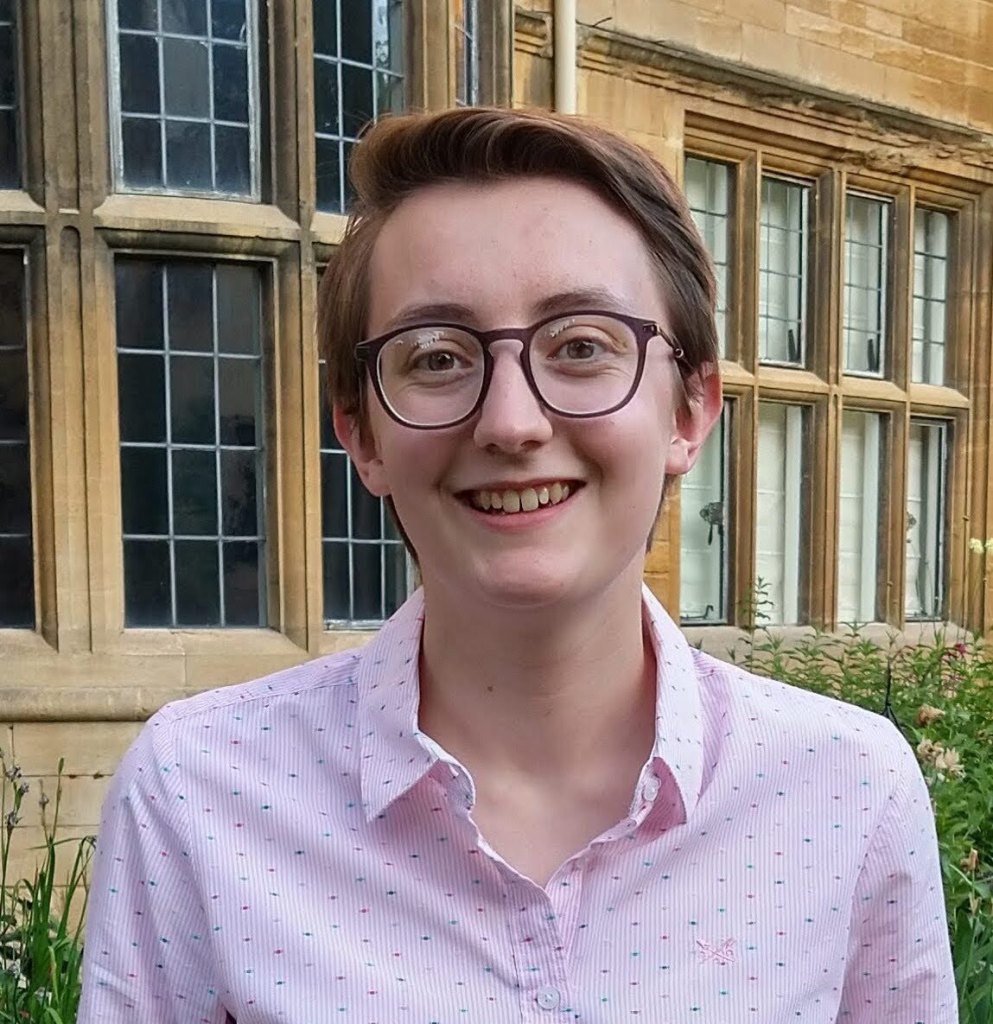
Rebecca Colquhoun is a queer and disabled PhD Student in Environmental Research at the University of Oxford, having previously completed a MEarthSci (integrated masters) in Earth Sciences there. In their PhD they research the physics of the start of earthquakes, by using observations to try and understand how the starts of big and small earthquakes differ. Rebecca is passionate about improving equity, diversity and inclusion within science and their department, and is a co-founder of their department’s LGBTQ+ affinity group.
Arne Scheuermann
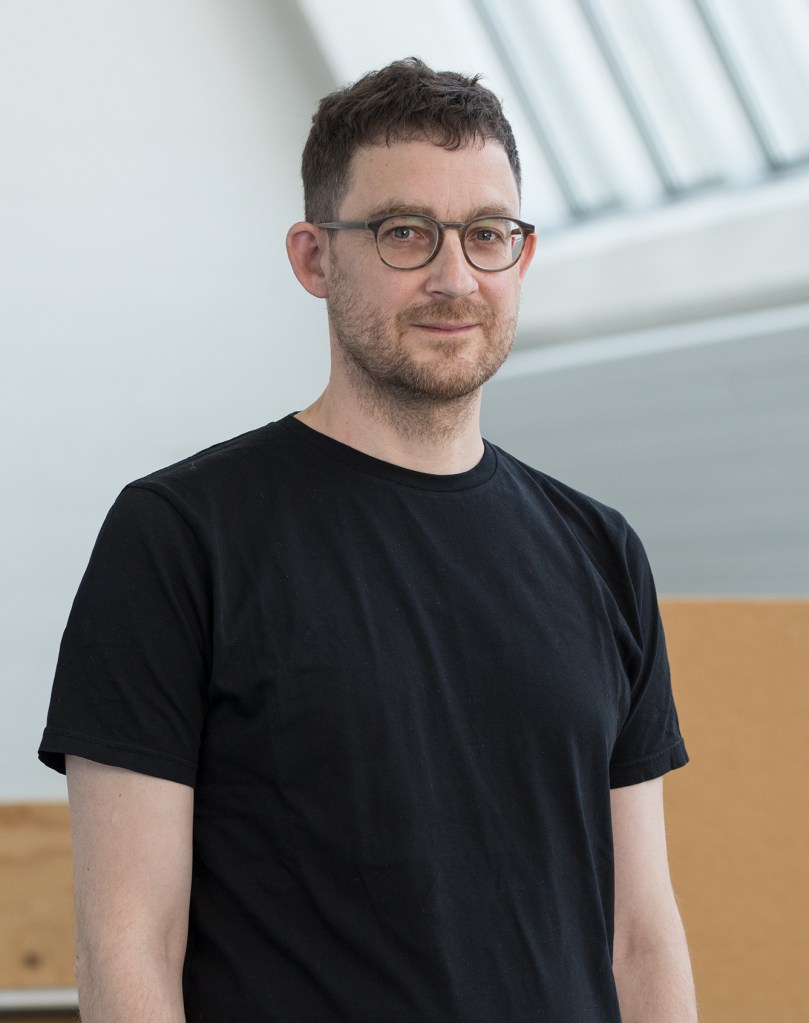
Arne Scheuermann (they), is Professor of Design Theory and genderqueer design researcher at the University of the Arts Bern. Their research revolves around visual rhetoric and the empirical effectiveness of graphic design and images – in healthcare, among other areas. As Scientific Director of the Swiss Center for Design and Health, their research includes the question of how city and area planning can be improved through the participation of the LGBTIAQ+ community. In their spare time, they campaigns for a third gender registration in Switzerland and secretly writes crime novels.
Laura Dziomber
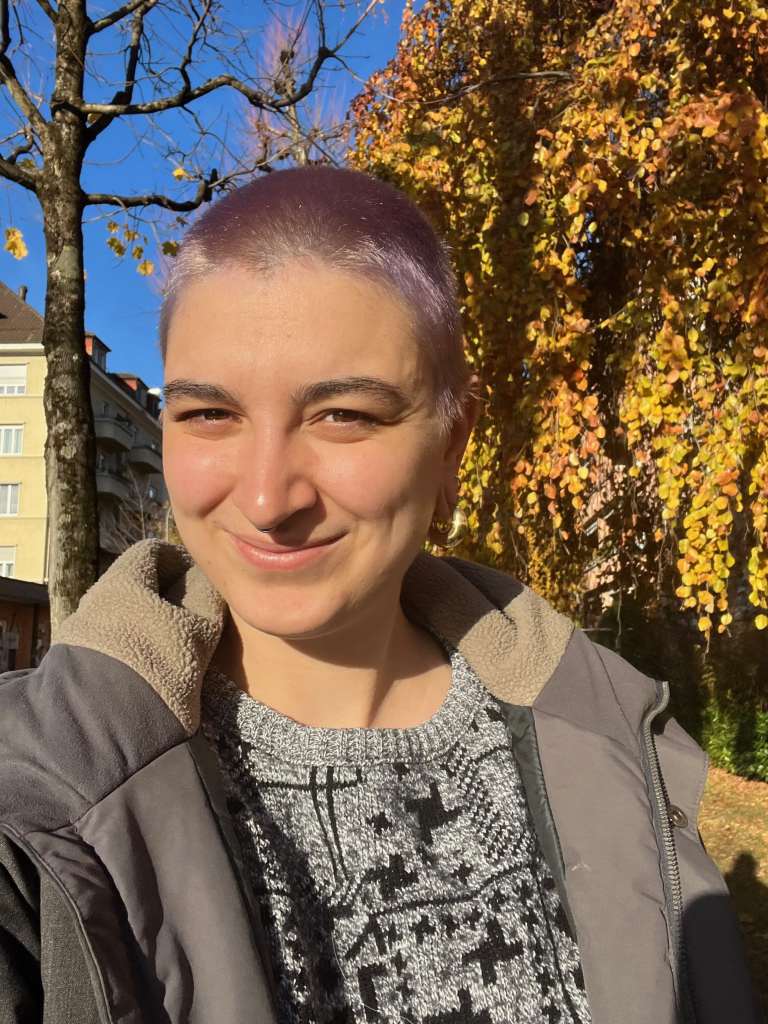
Laura Dziober is trans non-binary PhD student at the University of Bern, Switzerland. Laura is a paleontologist/paleoecologist, focusing on vegetation dynamics. Laura tries to reconstruct past vegetation in the Swiss Alps, and Laura is interested in vegetation response to climate change. They also have side projects on mammal evolution. In their free time they do a lot of crafting, taking care of their plants and their dog.
Evan England
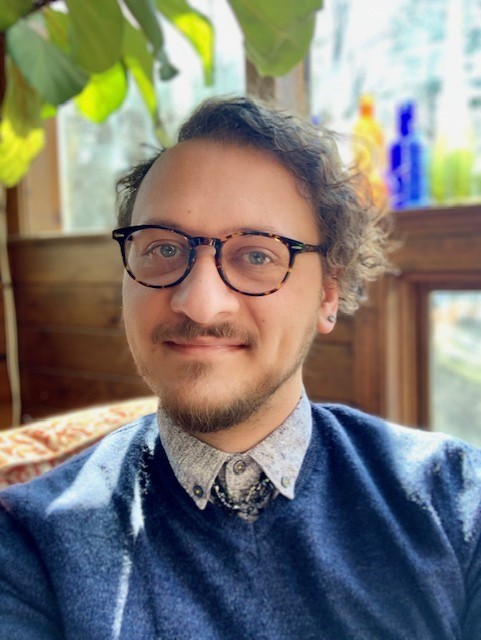
Evan England (they/them) is a queer non-binary Research Fellow in sociology at the University of New Hampshire. They recently finished their master’s thesis exploring trans health and varying experiences by race/ethnicity, disability, and education. Their PhD research focuses specifically on queer and trans inclusive sexual and reproductive health care. They also love playing with their three pups, gardening, and generally exploring the outdoors.
Leo Skaer
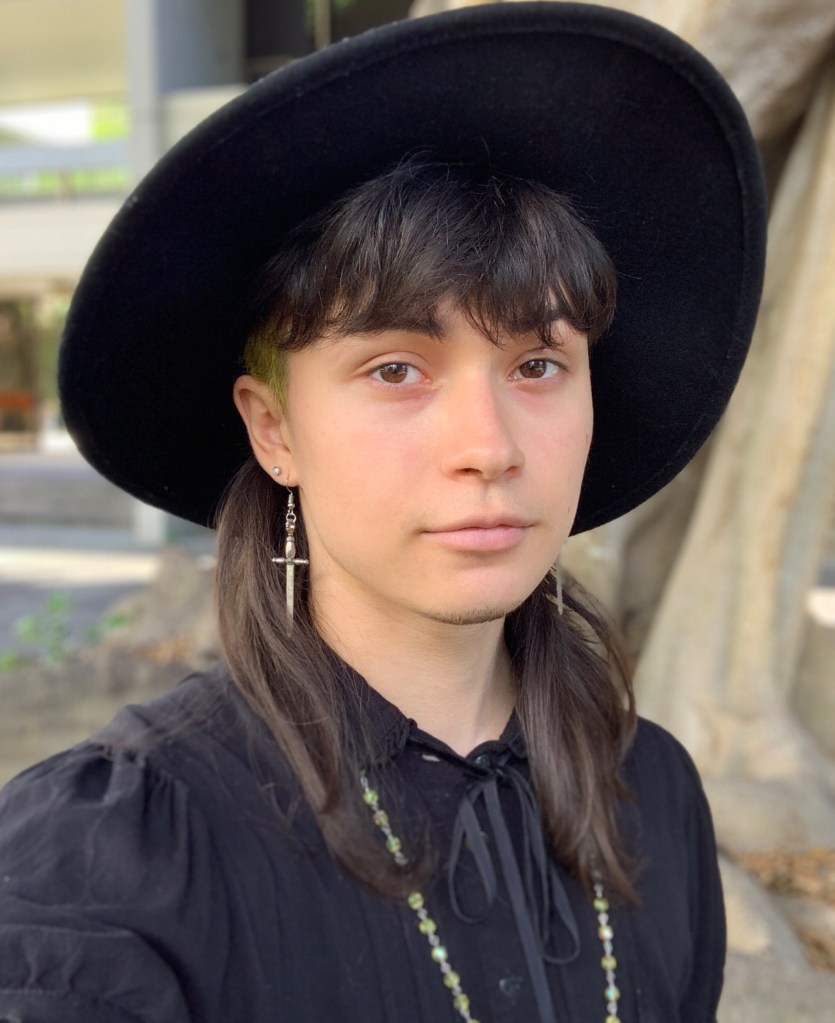
Leo (they/it) is a graduate student at the University of Hawai’i at Mānoa Institute for Astronomy. They completed their undergraduate education at Agnes Scott College in Decatur, Georgia, earning a Bachelor of Science in Astrophysics and graduating summa cum laude. Its primary areas of interest include cosmology, relativistic phenomena, and plasma physics. Besides astronomy they are very passionate about indigenous rights and queer liberation. Outside of school and work Leo enjoys creating art in a variety of mediums, reading, and playing video games.
Santi Rivera-Reyes
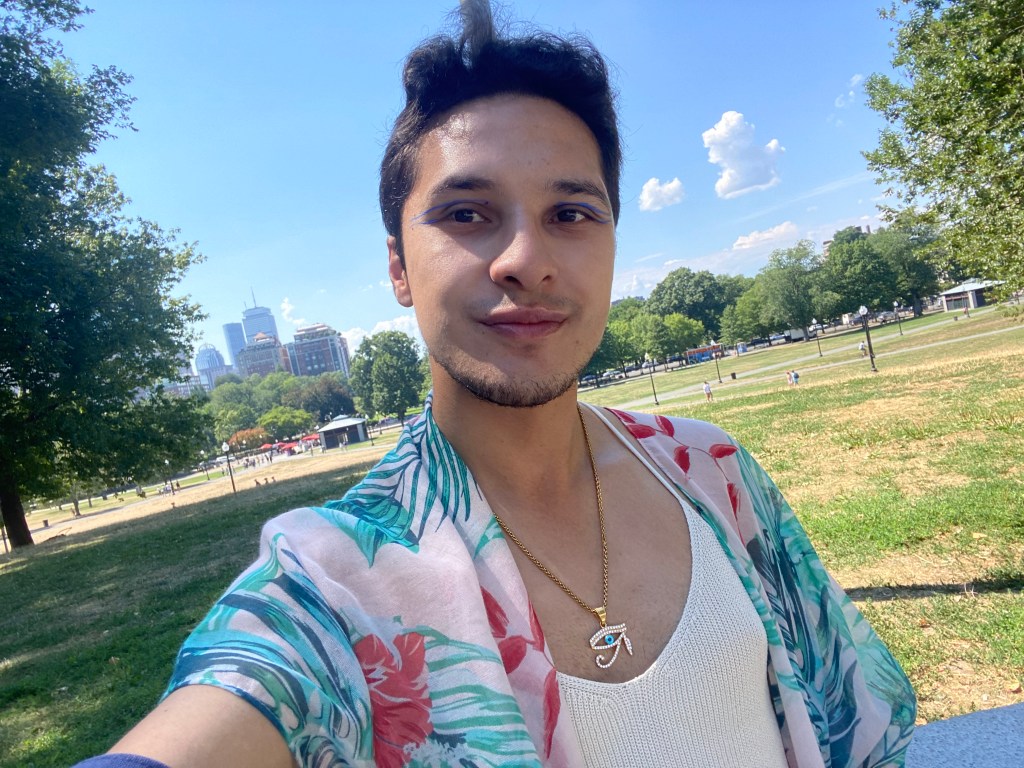
Santi (he/they/elle) is am an industrial microbiologist (B.Sc) originally from Colombia. They are currently completing their Master’s degree in Microbiology at UNH in Durham, NH. They’ll also be starting my Ph.D in December and they’re very passionate about academia and LGBTQI+ activism. They identify as non-conforming/non-binary and are part of several organizations back home that fight and campaing for LGBTIQ+ rights in Bogota (the capital city and where they grew up). During their time at UNH they have been able to explore theirself and their gender identity in a way they hadn’t been able to do in Colombia. They now realize the struggles and difficulties a lot of trans and non-binary people face in developing countries but also here in the US when we make part of an academic system that a lot of the times can be heteropatriarchal and becuase of this they want to set a precedent for all those young trans/non-binbary scientist that want to pursue a career in academia because the way we look/dress/express ourselves should not be used to judge our academic production, our intelligence or our success.
Corrie Nyquist
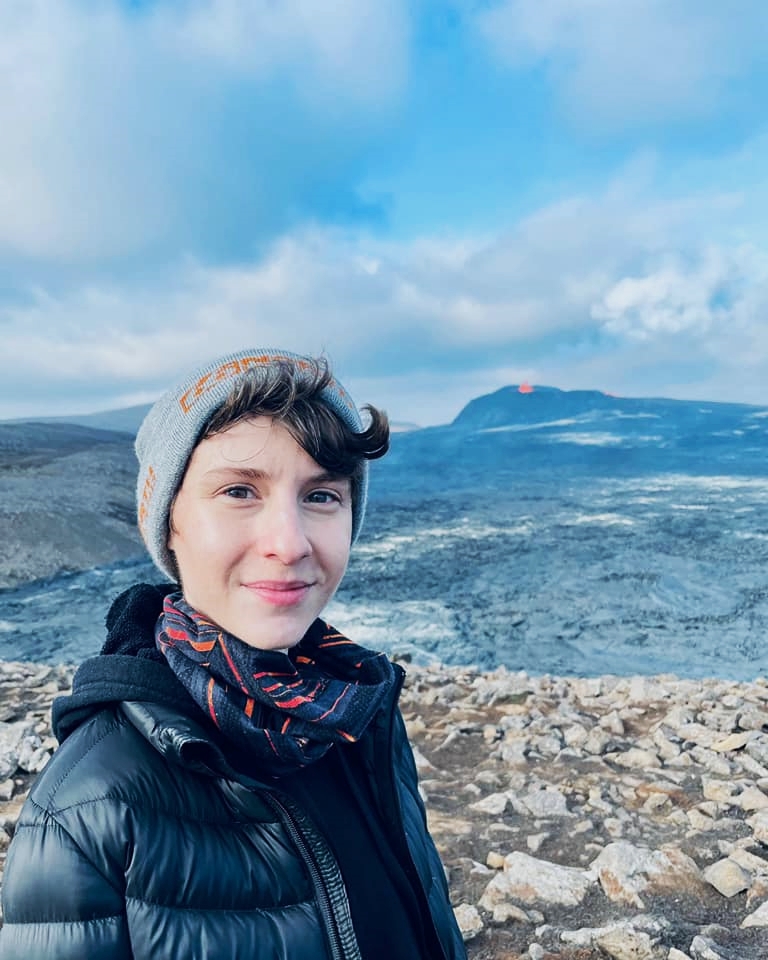
Corrie Nyquist is a non-binary, transmasculine freshwater ecologist and entomologist. Their research interests include studying adaptation in insects, polar and subpolar biology, and climate change and anthropogenic impacts on freshwater ecosystems. They received their PhD from the University of Minnesota where they studied cold-adaptation in aquatic insects from Minnesota and Iceland.
Eva Bracey
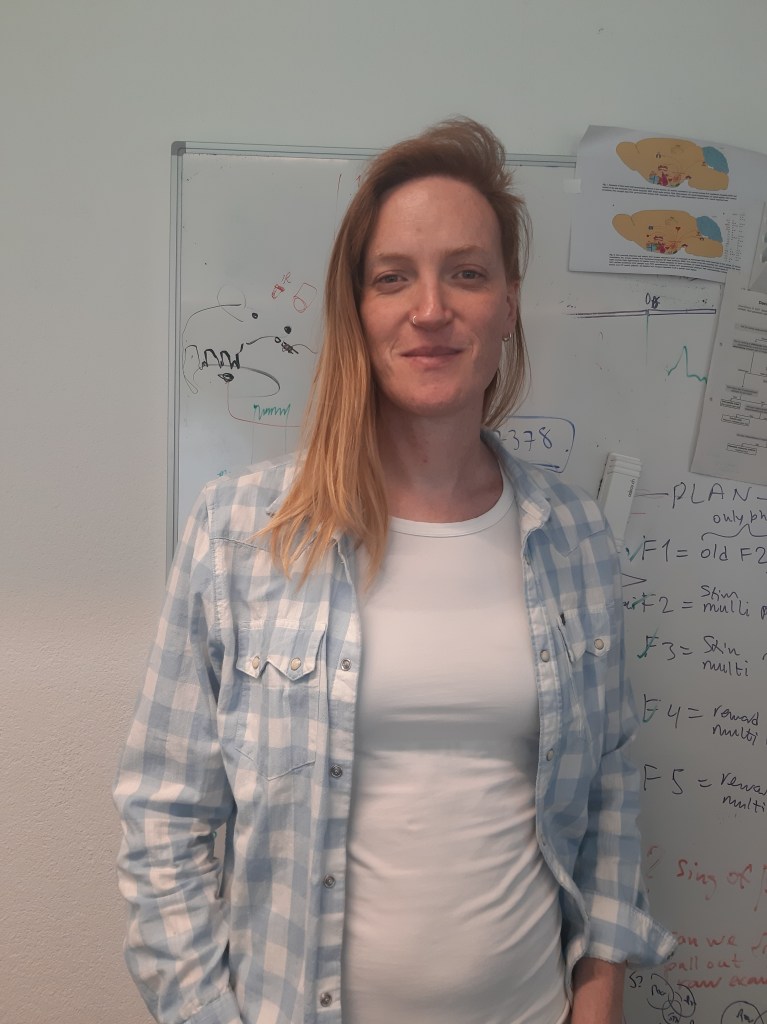
Eva Bracey (They/She, Kein/Sie) works at ETH Zürich, where they have a permanent position as a sort of eternal postdoc. Mostly they train Master’s and Doctoral students, build and maintain equipment and software, run experiments for others and their own research, and help edit manuscripts. They came out in their lab, over a year ago, and everyone’s been great, the lab supervisors are super supportive!
Outside of the lab they volunteer as a peer to peer counsellor for ETH’s union, AVETH, and am active in UZH and ETH’s group polyuniqueer*z.
Jonathan Gilligan
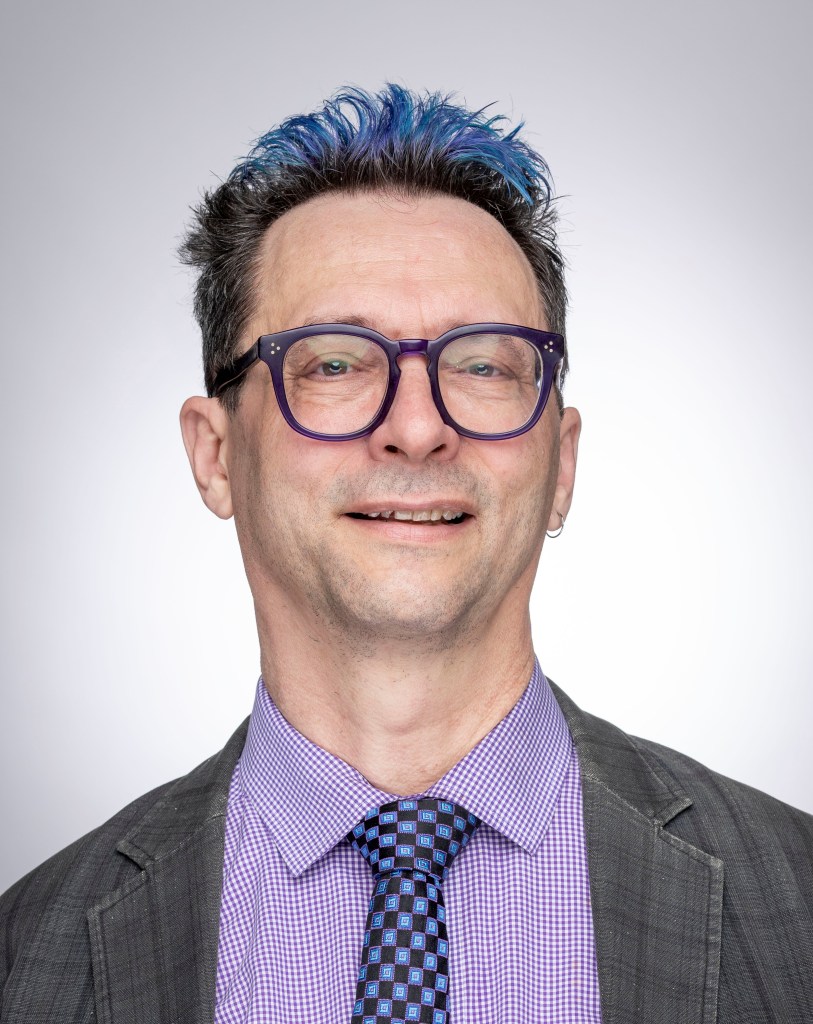
Jonathan Gilligan (they/them) is a nonbinary, genderfluid professor of Earth & Environmental Sciences and professor of Civil & Environmental Engineering at Vanderbilt University, and director of Vanderbilt’s Grand Challenge Initiative on Climate and Society. Their research and teaching focuses on interactions between environmental change and human society, and assembling interdisciplinary teams that integrate social and natural sciences, humanities, engineering, legal expertise, etc. to develop integrated holistic understanding of complex socio-environmental systems. They also work on interdisciplinary curriculum development, such as creating Vanderbilt’s unique interdisciplinary Climate Studies major and contributing to rethinking and redesigning the undergraduate curriculum for the College of Arts & Science. Outside the lab and classroom, they like to cook and bake (especially artisanal breads), play music (drums, percussion, and keyboards), and write. They are co-author of a play and the libretto of an opera (both of which are feminist retellings of Hawthorne’s The Scarlet Letter).
Guppy Stott
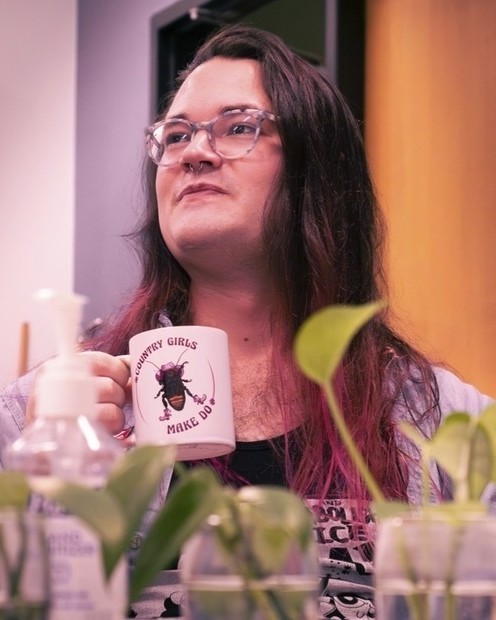
Guppy Stott (they/she) is a nonbinary bioinformatician in Athens, GA building tools for molecular epidemiology and phylogenetics more broadly. As of writing, they are a bioinformatician working with Tanaq Management Services building tools for visualizing contact tracing data. They are passionate about science communication and education. When they’re not doing science, they contribute to The Carpentries to make coding and data science skills more accessible and volunteer with their local immigrant rights organization. Guppy enjoys film photography, reading sci-fi and history, and cooking.
Evan Walter Clark Spotte-Smith
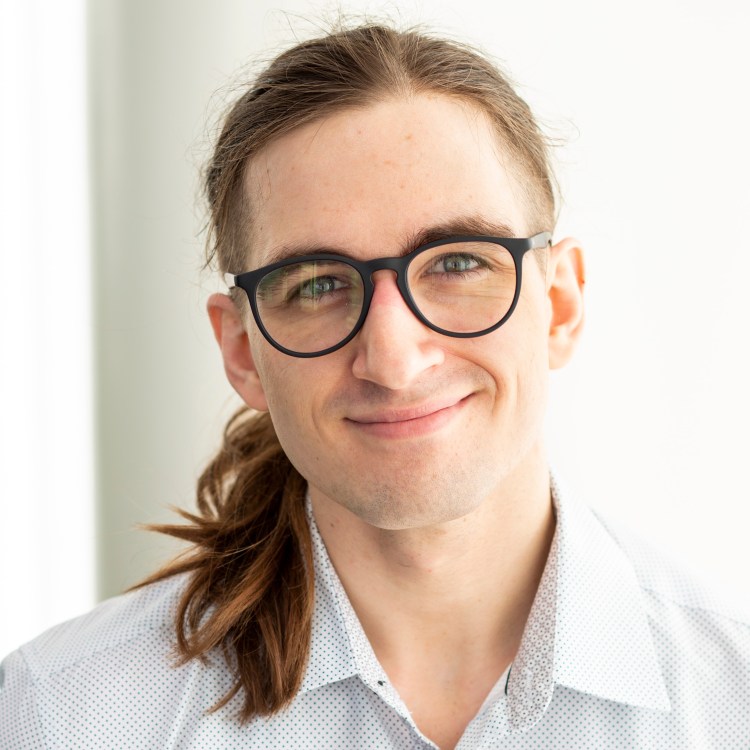
Evan (they/them) currently works as an Ad Astra Fellow and Assistant Professor of Digital Chemistry at University College Dublin (UCD) in the Republic of Ireland. They also hold an Adjunct Professor of Chemical Engineering at Carnegie Mellon University (CMU) in the United States of America. Evan’s research combines mathematics, software engineering, data science, and chemical simulations to develop an understanding of complex reactive processes and advance sustainable chemical solutions, with the ultimate aim of addressing climate change and environmental degradation. I am deeply invested in chemical and scientific ethics, pedagogy that empowers the next generation of scientists, and promoting equity and justice in academic research.
 ISNBS
ISNBS 