By Riley DeHority
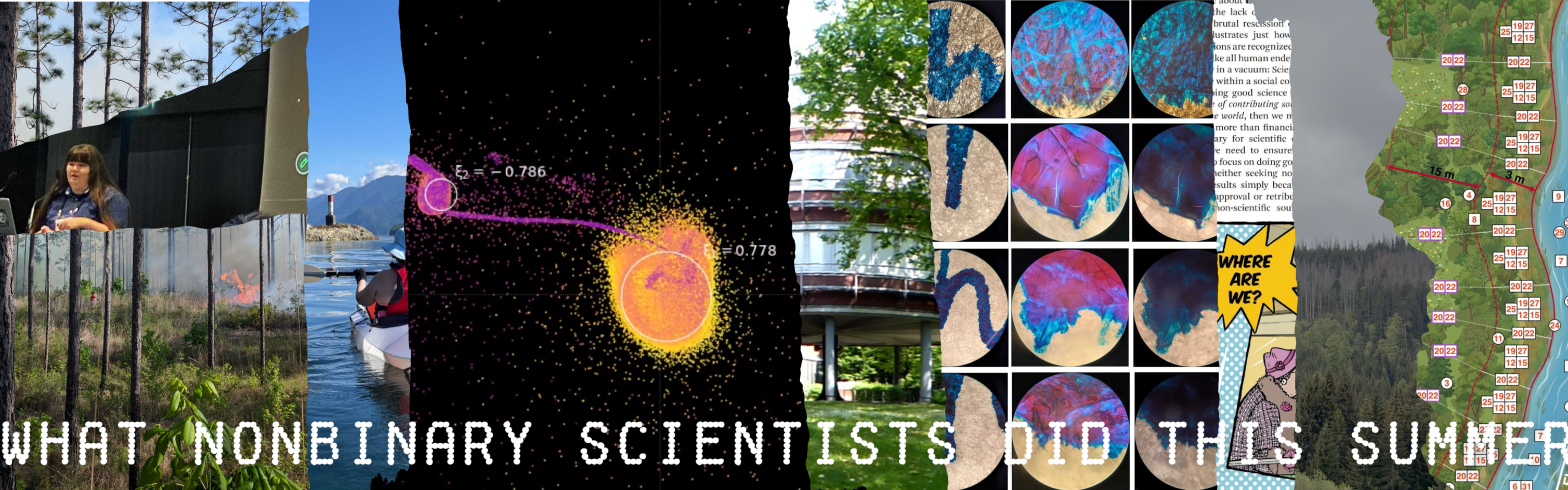
It’s been a busy year for nonbinary scientists! I put out a call on our Slack asking how our members spent their summers (or winters, for those in the Southern hemisphere). Here’s what your fellow nonbinary scientists have been up to lately.
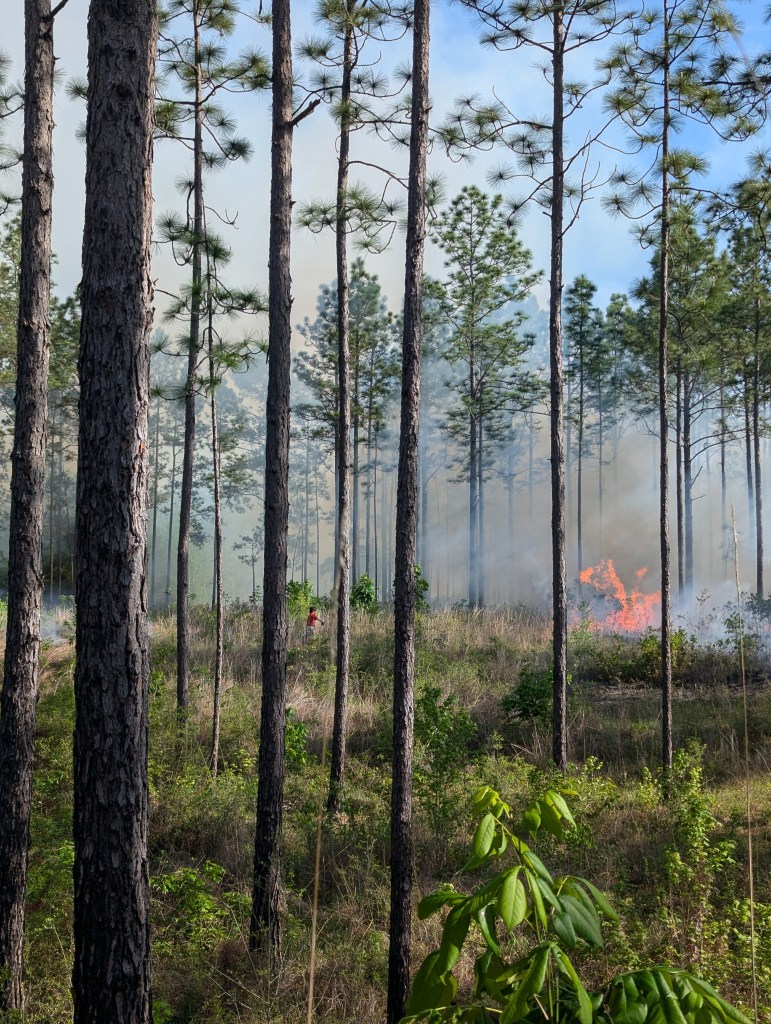
My name is Anita Simha, I am a postdoctoral researcher at Louisiana State University, and this summer I (carefully) burned my field site to learn about microbes.
I study how fire mediates interactions between soil bacteria/fungi and savanna plants. Soil microbes can have strong impacts on plant growth and nutrient cycling, but we don’t know very much about how frequent prescribed fire affects soil microbial communities or their function. Earlier this year, I conducted a prescribed burn at my field site and grew plants in soil inoculated with either a pre-fire or post-fire soil microbiome. Stay tuned for more results!
This summer, I also published an article exploring the linkages between fire suppression, colonial land acquisition, and gendered oppression on the southern coastal plain of the US. You can read it here.
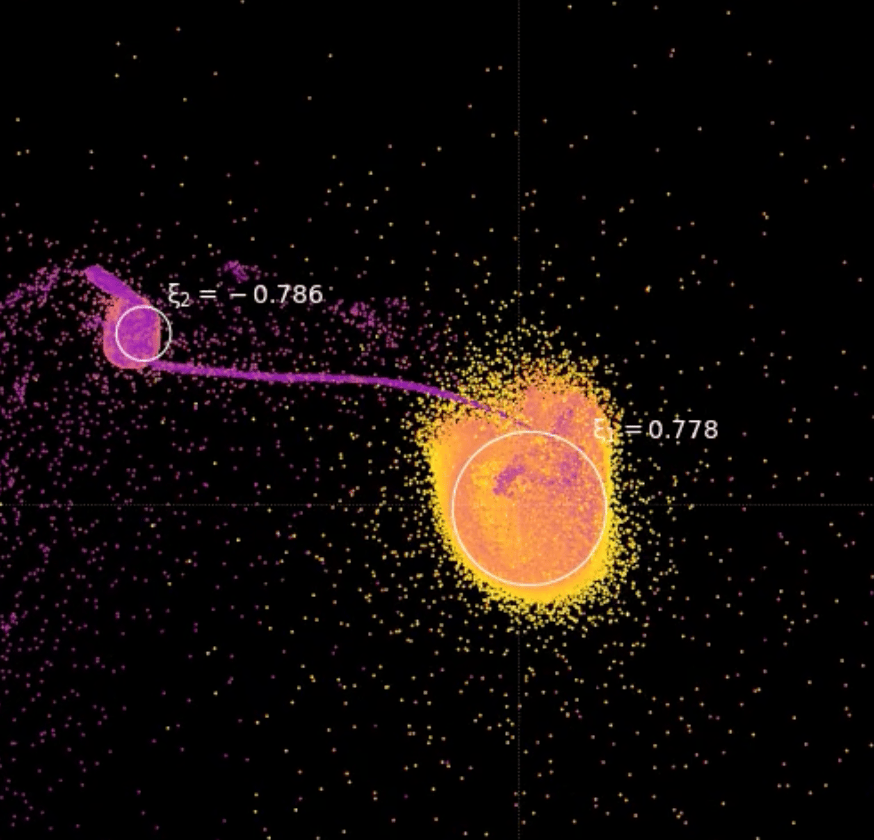
My name is Adeene Denton, from Southwest Research Institute in Boulder, Colorado, and this summer I blew up the Moon 35 times.
As a planetary scientist and impact physicist, I specialize in blowing up planets on the computer to see what we can learn. Over the past year, I’ve been revisiting the formation of our Moon. Scientists generally agree that the Earth’s Moon formed from a giant impact early on in Solar System history, but few agree when or how that impact took place. We have a lot of geochemical data from lunar samples, but a lot less information about what the Solar System was like dynamically billions of years ago. That’s where my efforts to blow up the Moon come in – I try to make the collision match as many of our modern observations of the Earth and Moon as I can, while also trying to implement new advances in how we approximate planetary materials. With my recent paper, which came out September 1, I found that our simulations of that impact need to be considering the geologic properties of the colliding bodies, particularly the Mars-sized body, Theia (named for the mother of Selene, the moon goddess). Geologic factors, including how hot or cold Theia might have been when it slammed into the proto-Earth, can change how quickly the Moon forms – it can be as fast as 5 hours, or as slow as months to years. I really enjoy working at the cutting-edge of numerical modelling, not just because it’s fun to blow up as many planets as I can, but also because it means that even if I know what should happen based on what scientists have predicted in the past, I’m often surprised by the result!
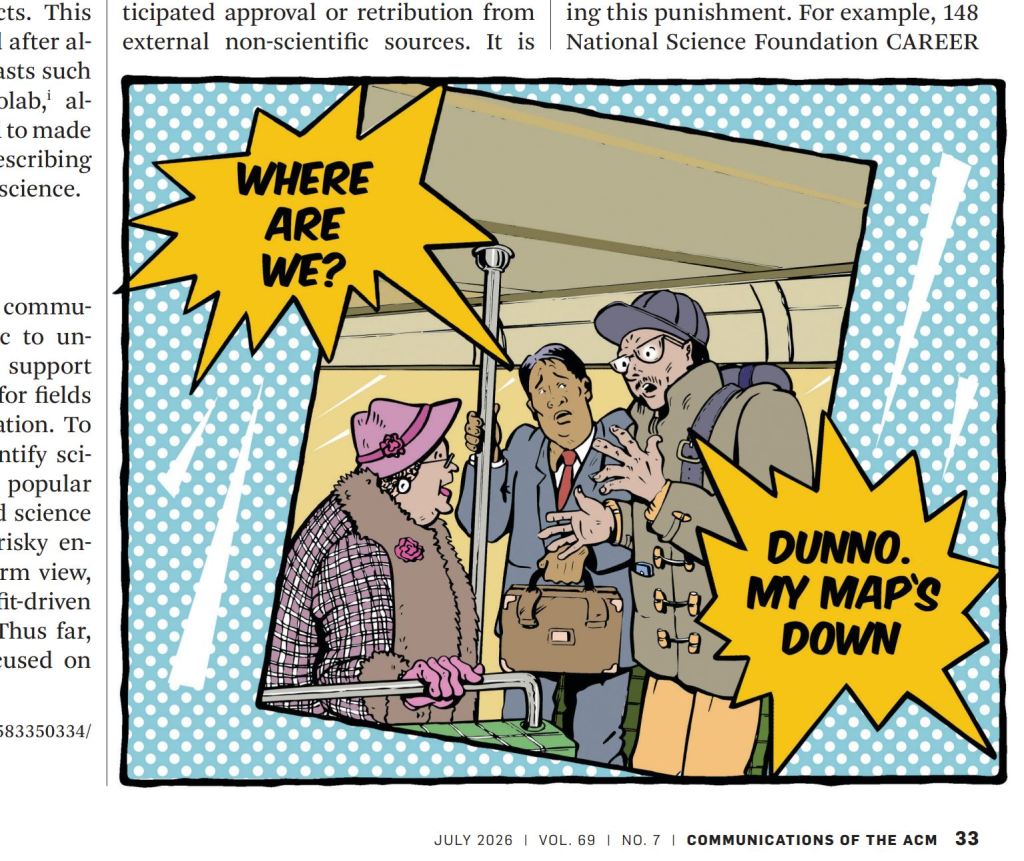
My name is Michael Kintscher (they/them) from Arizona State University, and this summer a piece I coauthored was selected and published as the cover story of the July 2026 Communications of the ACM: Communicating the Value of Publicly Funded Science.
This piece was the culmination of on-the-spot action from my colleagues who brought together researchers from around the world at an unofficial “rogue” workshop at the CHI conference in Japan last year, precipitated in response to the sudden loss of funding under the Trump administration in the USA. We wanted to issue a call to action with ideas for researchers and policy makers to improve the communication of the value of our scientific work with the broader public. I am honored to be in a place where I can put my name on work like this, and stand in solidarity with the many researchers who attended the workshop and contributed brilliant ideas for science communication, but could not add their names due to the real threat of retaliation from their own countries or institutions. The very act of scientific inquiry is a reclamation of power – we discover truth for ourselves, and share it with the world. Keep asking questions and keep doing and sharing science!
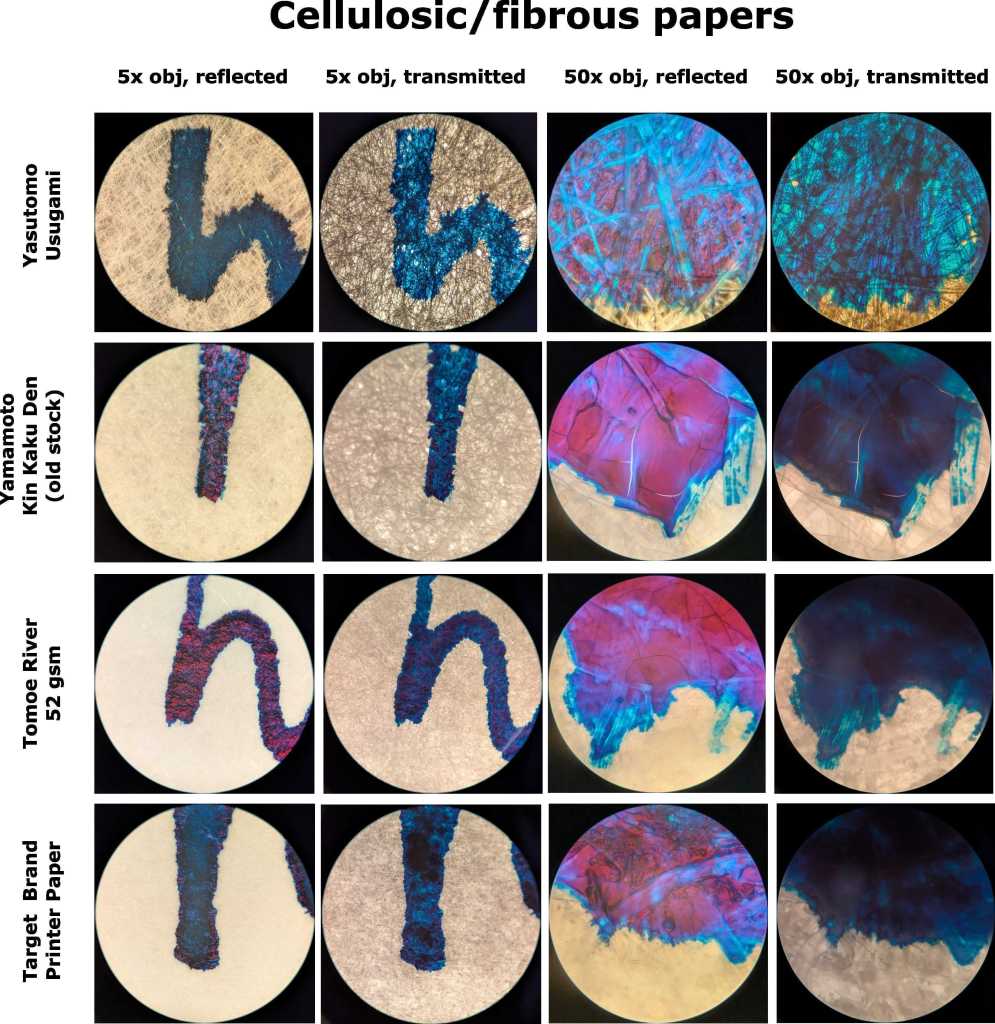
My name is Tiffany (she/they) from the San Francisco Bay Area, and I’m an independent scientist engaged in curiosity-driven research.
This summer I’ve spent a lot of time on a deep dive into the interactions between fountain pen inks and various papers/substrates via optical and electron microscopy. It’s been fun to use my chemistry and materials science background to dig into ink attributes such as “sheen” (difference in ink color under reflected and transmitted light) and “shimmer” (sparkly character due to light reflecting off small, metal-coated particulates). If you’re interested in seeing what I’ve been up to, please feel free to check out my website (www.theadhd.phd)!
My name is Eli (they/ them), I’m a critical care nurse and trans non-binary lived experience PhD candidate in the Dept. of Medicine at the University of Melbourne. Earlier this year, I published the first paper of my PhD documenting the influences of low-dose testosterone (T) on the physical and mental health of trans and gender diverse people.
I have the privilege of researching my special interest, and in the third year of my PhD ‘How are you?’ has never felt like such a loaded question. IYKYK, right?
In community, we know that the embodiment of gender looks and feels different for each of us. There is no singular path to embodiment, despite what society and the medicalisation of gender diversity might tell us. Gender affirming hormone therapy (GAHT) is not for everyone, and desire for this can evolve or change over time. We also know that for those who choose and are able to access hormones, the outcomes are generally overwhelmingly positive.
Current international guidelines for gender-affirming care emphasise that care should be tailored to the individual’s unique goals and healthcare needs. And, increasingly, ‘non-standard’ GAHT regimens are discussed by community and prescribers. But, the recommendations for testosterone-based GAHT have been based on cisgender male reference ranges. Very few guidelines currently include specific prescription guidance for low-dose T.
We looked back at the medical records of non-binary people who started T for gender affirmation, to see how low-dose testosterone is being utilised locally. This audit focused on the formulations and doses, how this affects the serum testosterone levels in blood, and how common it is to remain on lower doses. We found that most non-binary individuals initiating low-dose transdermal testosterone continue doses lower than those recommended in current guidelines after 6−12 months of treatment. This first paper provided important information for the adult trans health sector, with data that will help community and prescribers make more informed decisions about low-dose T. You can read more here.
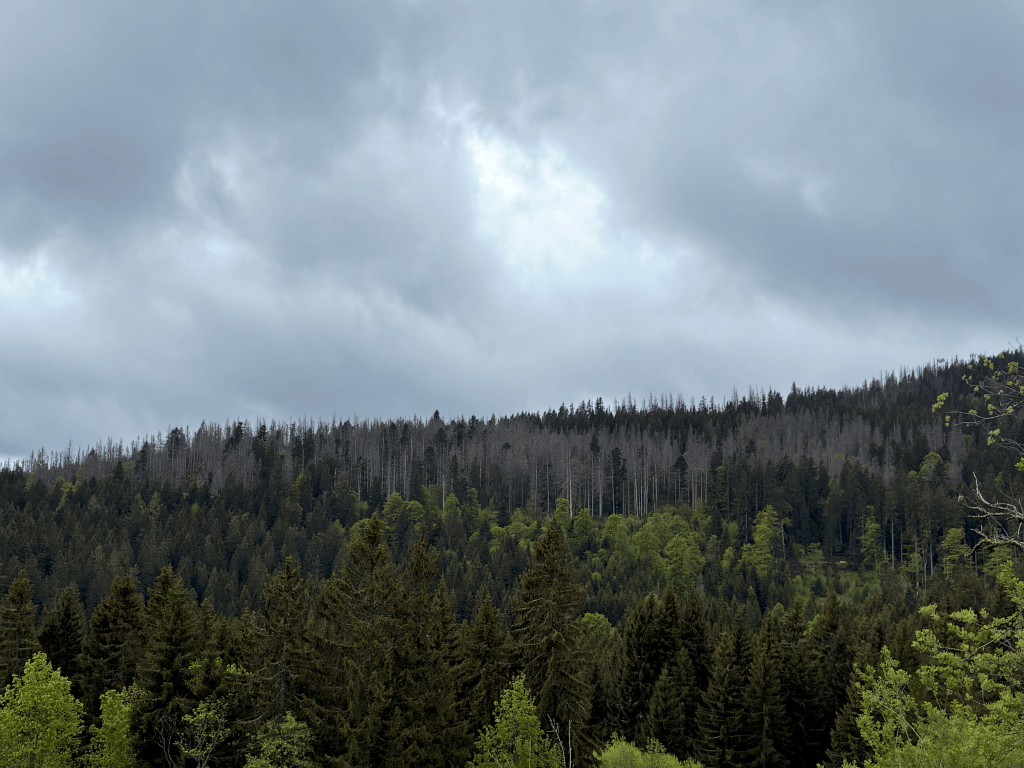
My name is Negin, a researcher at the University of Freiburg, Germany, and this summer I’ve been investigating what happens to ecosystems after trees die.
With climate change bringing more frequent and extreme events, life is becoming increasingly difficult for vegetation too, and trees, unfortunately, can’t walk away from droughts, heatwaves, storms, or other disturbances. They can adapt, or they die. There is already a lot of research on why trees die, but I’m interested in what happens to the ecosystem afterwards: how does the loss of trees affect the way an ecosystem takes up carbon, exchanges water and energy, and functions as a whole?
I used machine learning and data from different ecosystems (from forests to shrublands) around the world to investigate whether information about tree mortality helps us better understand and predict changes in carbon water and energy exchange. What I found so far is that mortality information does make a difference, and that ecosystems experiencing more tree mortality tend to show changes in their carbon-related functioning.
I haven’t published this work yet, but I presented it at EGU in the spring and have spent much of the summer refining the analysis and working towards the manuscript.
What I find particularly exciting about this research is bringing together different kinds of data, collected in different places and with different sensors, to shed light on a problem that is becoming increasingly important. Unfortunately, many forests around the world have been experiencing increasing tree mortality in recent decades, and as an environmental scientist, it is difficult to see what these changes can mean for the exchange of carbon, water, and energy within ecosystems. At the same time, I find it hopeful that by studying ecosystems across different environments, we can learn from the different ways they respond to stress and disturbance. Hopefully, this knowledge can help us understand which strategies make ecosystems more resilient and ultimately contribute to building systems that are better able to adapt to a changing climate.
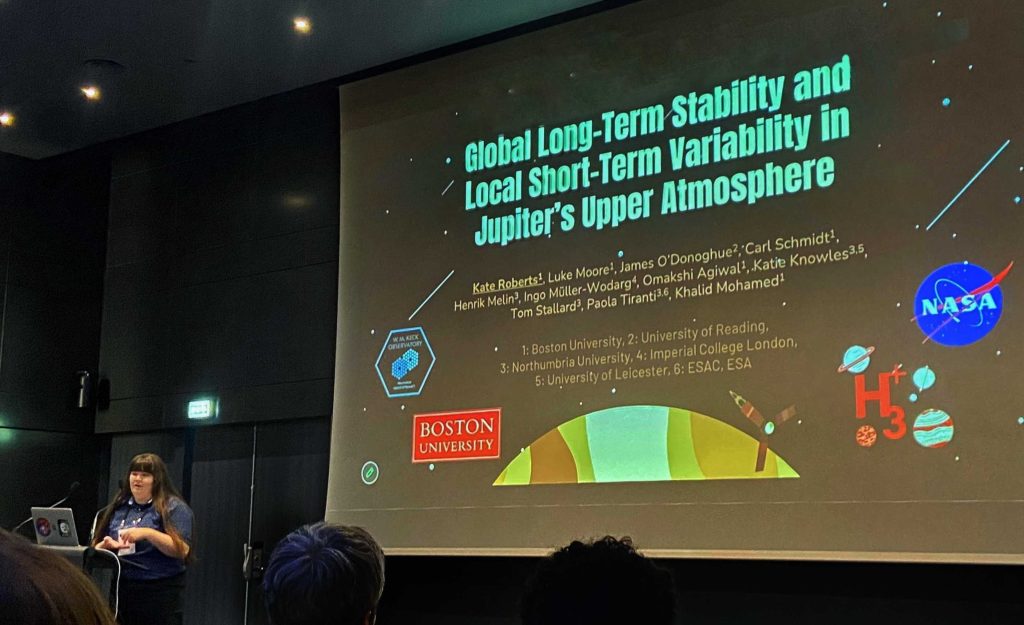
My name is Kate (they/them) a PhD candidate at Boston University and I gave my first invited conference talk in July at the Magnetospheres of the Outer Planets conference in Toulouse, France.
My talk was covering a paper that I published earlier this year about the first global, multi-year survey of temperatures, atmospheric structure, and controlling dynamics of Jupiter’s upper atmosphere. The results include the first average temperature of this atmospheric region (~830 K), the first observation of nonauroral dominance in energy output (compared to total energy output by the aurora), and an explanation for global atmospheric structure originally observed ~30 years ago wherein neutral wind-magnetic field interactions control the vertical motions of the charged atmospheric components. In general, the study found a shockingly stable environment over our 4 years of observation!

My name is Jost (they/them) from King’s College London, and this summer I helped organise RSECon26 (a major international conference on research software engineering).
For the first time in the history of this conference series, we had a lightning talks session, where attendees could sign up on short notice to give a 3 min talk on any topic—I explicitly emphasised in the session advertisement that the talk could be about a hobby or passion project, even if it’s unrelated to the conference topic.
The result was amazing: We got a wide mix of talks on topics ranging from the mathematics of juggling (including a live demo!) to building a library of things for the speaker’s local community; one speaker gave a meme-heavy recap of trying a new operating system, another used different drawings of their fursona to illustrate upcoming features in the Python programming language. Seeing the speakers’ excitement at being able to share more of their personality in these lightning talks made it one of the most joyful conference sessions I’ve ever attended. Feedback after the conference was excellent and I can’t wait to organise this again at RSECon27!
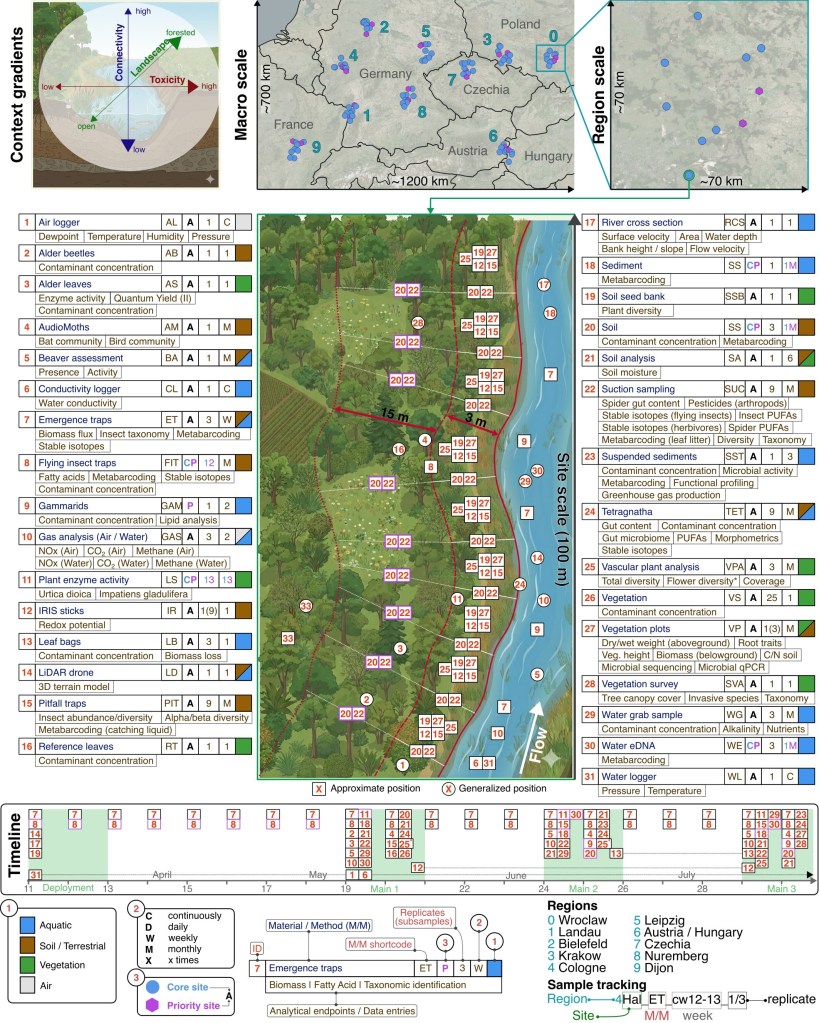
My name is Lee, from RPTU in Landau Germany, and this summer I surveyed 100 field sites across Europe with the SystemLink working group.
There are 14 PhD students on the project and we are studying aquatic-terrestrial linkages. Our goal is to gain a better understanding of how toxicity, connectivity, and landscape gradients affect the movement of nutrients and contaminants from the aquatic back to the terrestrial landscape.
We surveyed 100 sites in 10 regions across Europe, from France to Poland. My specific part is using stable isotope analysis to create a riparian food web to look at how nutrients and contaminants affect food web structure, nitrogen ratios, and contaminant movements. My work will be paired with another student studying fatty acids and one looking at contaminant concentrations in aquatic emerging insects, terrestrial insects, and riparian Tetragnatha spiders. We had about 30 different methods overall that we used to gather data, from collecting riparian vegetation to taking water samples for eDNA analysis. The methods I relied on the most were emergence trap sampling for emerging aquatic insects, suction sampling of terrestrial arthropods, and hand sampling of Tetragnatha spiders. The most interesting experience of this work was how variable our streams were across regions, even though they were all confined to the same climate zone. Seeing how samples changed through the summer was also fascinating, as insects emerged at different times, Tetragnatha spiders went through seasonal life stages, and some streams dried down. Of course we had a lot of hilarious moments, many of which revolved around trying to make our way through nettles higher than your head and finding someone once they disappeared into them. The sheer size of this study was absolutely the most difficult part. It took us months to plan all of our methods, train everyone, prepare enough equipment for 100 sites, and find enough help for 10 different teams.
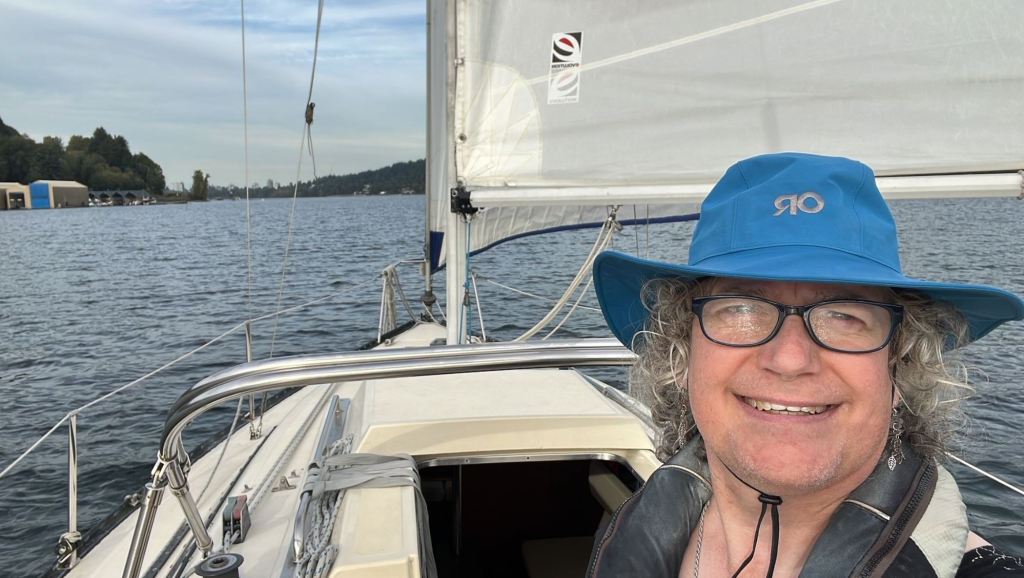
I’m Taco (they/them) from the Simon Fraser University School of Sustainable Energy Engineering in Canada. This summer I hosted a visiting student from Germany, provided technical advice to the IAEA in Vienna, graduated two Ph.D.s, applied for grants and spent some time on my sailboat.
A mix of research and personal updates. First, I had a wonderful visiting student from Germany (HS Offenburg). As a co-supervisor for her Ph.D. it was really great having her here in person to collaborate (and go sailing) and discuss her research questions and ideas over coffee rather than on Zoom. She’s working on modelling biomass pathways for heat and electricity in Europe.
Mid-summer I was invited to attend the IAEA Technical Meeting on Modelling Tools as the Canadian representative and I enjoyed some good discussions during that trip, both during formal meetings and also over coffees and beers. It was also fun to explore some of the Queer landmarks in Vienna while I was there! Later in the summer I had two separate Ph.D. students successfully defend their theses. I’m looking forward to being able to hood them at upcoming graduation ceremonies.
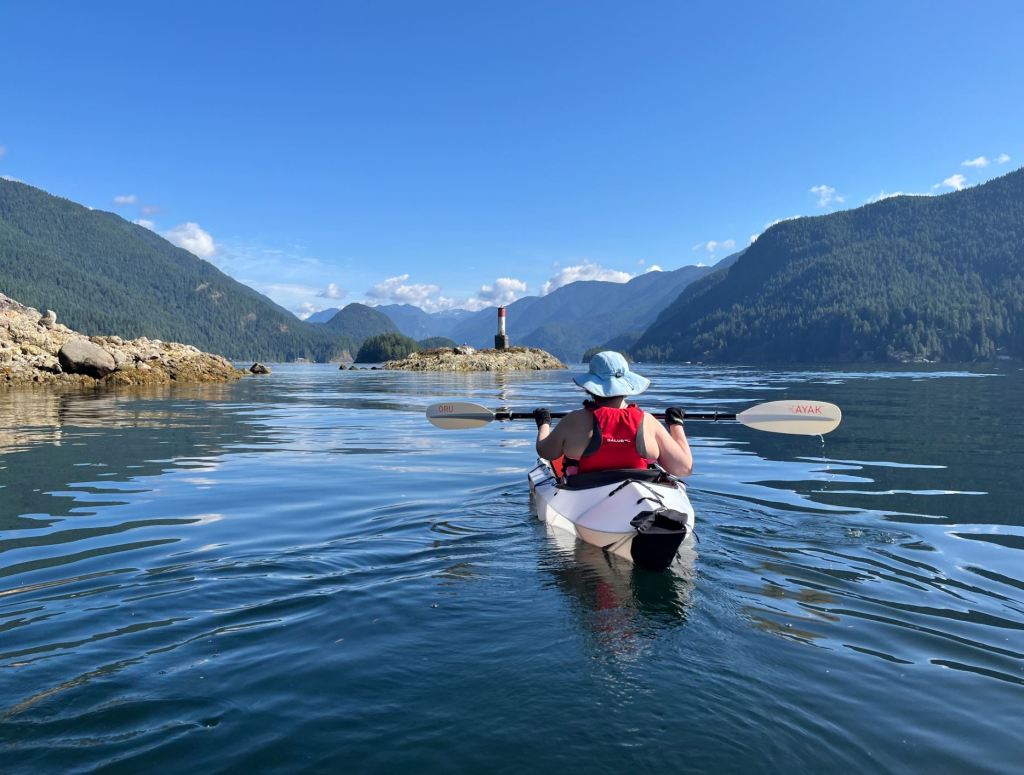
Grants are a constant as an Associate Professor, so I’ve been working on both grant admin and grant applications. Part of the life of an academic. But in between all of this I was able to get out on my sailboat quite a few times (including one four day trip). We have fold up kayaks so when we’re at anchor we can go for a kayak and see the sights.
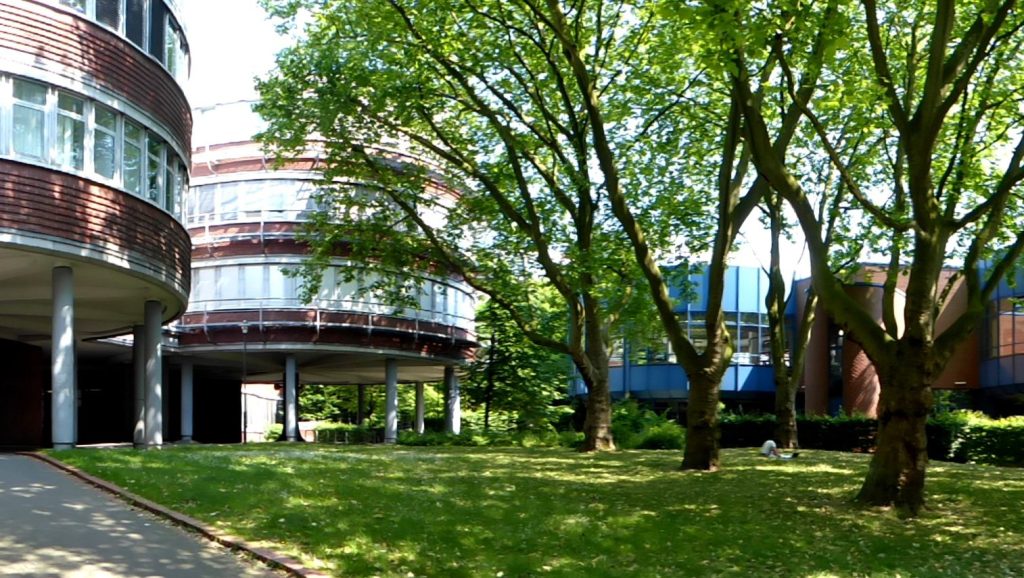
My name is Malin Kammer (no pronouns) from Frankfurt University of Applied Sciences and this summer a paper a colleague and I wrote got accepted at a workshop at the conference “Mensch und Computer.”
We were able to travel there and present it at the workshop “Partizipative & sozialverantwortliche Technikentwicklung – Co-creating transformation and transforming co-creation.” We are both studying M.Sc. Inclusive Design in our third semester, my colleague in a background of rehabilitation technology and I with a background in Computer Science. The paper is about a concept of usability testing especially tailored to people with cognitive disabilities and can be found here.
Thanks to all the ISNBS members who shared their updates. Happy spring to everyone in the southern hemisphere. To everyone north enough of the equator to have seasons, happy autumn. If you’re in the tropics: stay cool!
More writing published by nonbinary scientists this summer
In trans health news: Mental health impacts of anti-trans stigma on transgender people in Australia: a mixed-methods study
Testing methods for quantifying leaves: Litter vs. Lens: Evaluating LAI from Litter Traps and Hemispherical Photos Across View Zenith Angles and Leaf Fall Phases
Rhesus macaques facing adversity: Early-life adversity shapes the relationship between growth and reproduction in free-ranging female rhesus macaques
A combinatorics paper on the arXiv: Minimum Weakly Saturated Graphs and Bootstrap Percolation in General Host Graphs
Struggles with community participation: Barriers and opportunities to broader participation in transformative model building for sustainable infrastructure in the Southeastern U.S.
A pop science book by a nonbinary cosmologist: Cloudy with a Chance of Starships: How the Drake Equation Reveals the Odds of Life in the Cosmos

